Sunday, January 16, 2022
Yamaha XTZ 150 Crosser and the front drum brake
Thursday, January 06, 2022
5 cars which had been made in Spain and could've been well suited to a Mercedes-Benz OM636 engine
2 - Ford Escort Mk.5: even though Ford's own Endura-D engine within a similar displacement range had been available in some markets on both naturally-aspirated and turbocharged trims, and actually its power and torque ratings were slightly more appealing, the Endura-D it's undeniably a maintenance nightmare due to the timing arrangement. Having the injection pump driven by a crankshaft-driven belt or duplex chain according to the version, with the overhead camshaft driven from the injection pump through another belt, it adds a considerable amount of complexity which becomes quite annoying for a conservative operator. As the 1.8L Endura-D was itself developed from the 1.6L Dagenham/LT engine designed with some input from German Diesel engines specialist Deutz, and Ford has also resorted to assistence from other automakers such as the former PSA (now Stellantis) for light-duty Diesel engines, outsourcing from either Mercedes-Benz España or the former licensee ENMASA could be suitable to address the preference for a simpler, more reliable engine. Not to mention Ford resorted to Volkswagen engines for an overwhelming majority among regional variants of the Escort Mk.5 made in Brazil and Argentina, yet none was Diesel-powered;
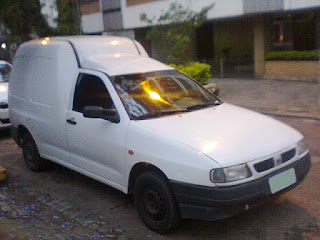
3 - SEAT Inca: before the Volkswagen takeover, SEAT had resorted to license-made Mercedes-Benz OM636 and OM621 engines for some of its Fiat derivatives, so there would've been some precedents to an eventual fitment of the OM636 to models developed already under Volkswagen ownership just like the Inca. On a sidenote, during Volkswagen's buyout of Auto Union from Daimler-Benz, a part of the deal was the access to development of what would become the EA827 engines range which originated the indirect-injection 1.9D and the direct-injection 1.9SDI engines fitted to the SEAT Inca;
4 - Peugeot 205: sure it would sound hard to justify outsourcing a Diesel engine when PSA had been highlighted for its own powerplants, such as the XUD7 which was offered as an option for the Peugeot 205 either naturally-aspirated or turbocharged. As the XUD7 was also part of a modular engines range which embraced both spark-ignition and Diesel options, presumably the economics of scale would mean any other approach unlikely. On the other hand, basically the fitment of Simca Poissy engines to some Spanish-made versions of the 205 could suggest otherwise, as it was made at the former Barreiros Diesel factory in Madrid;
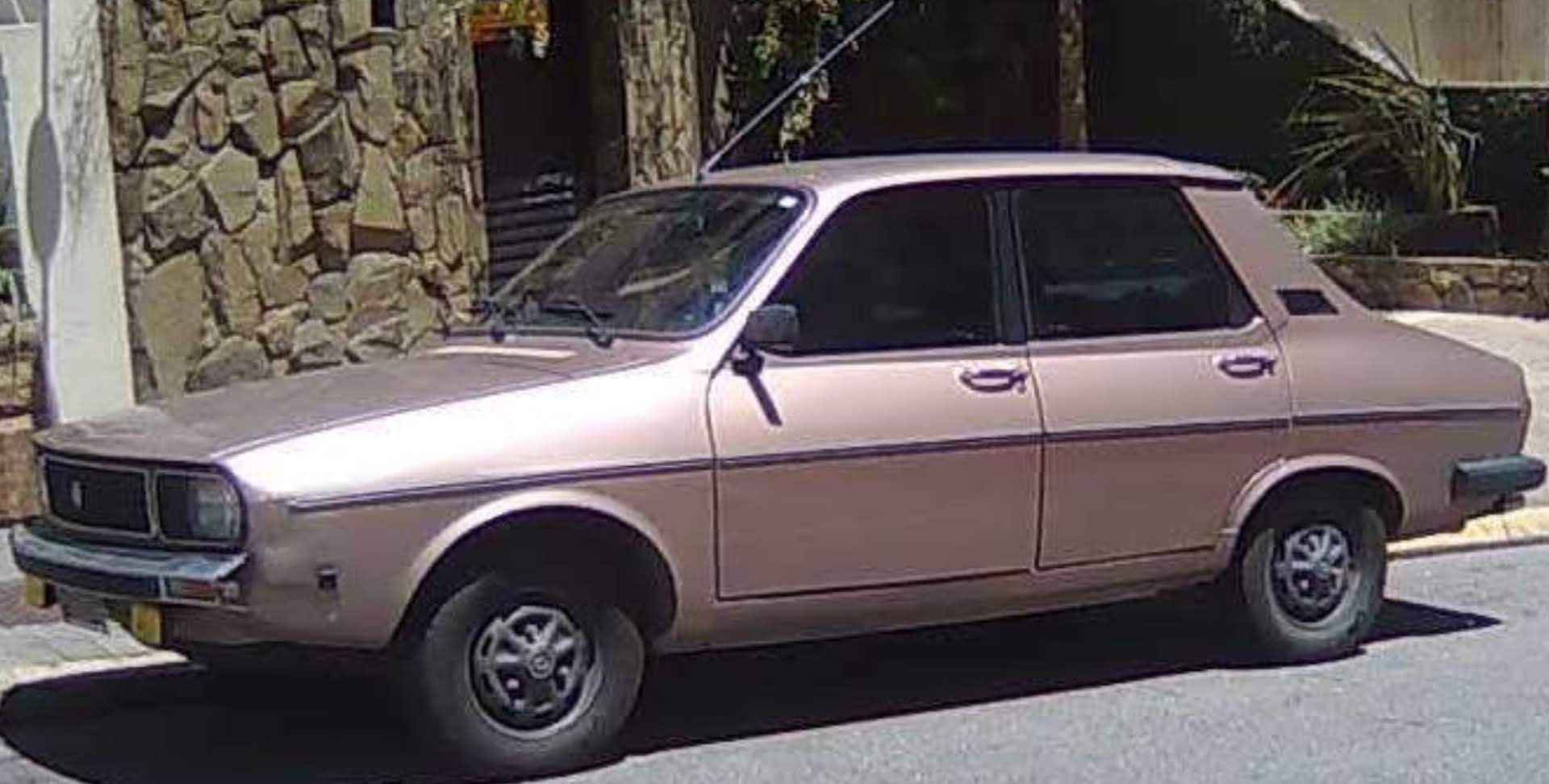
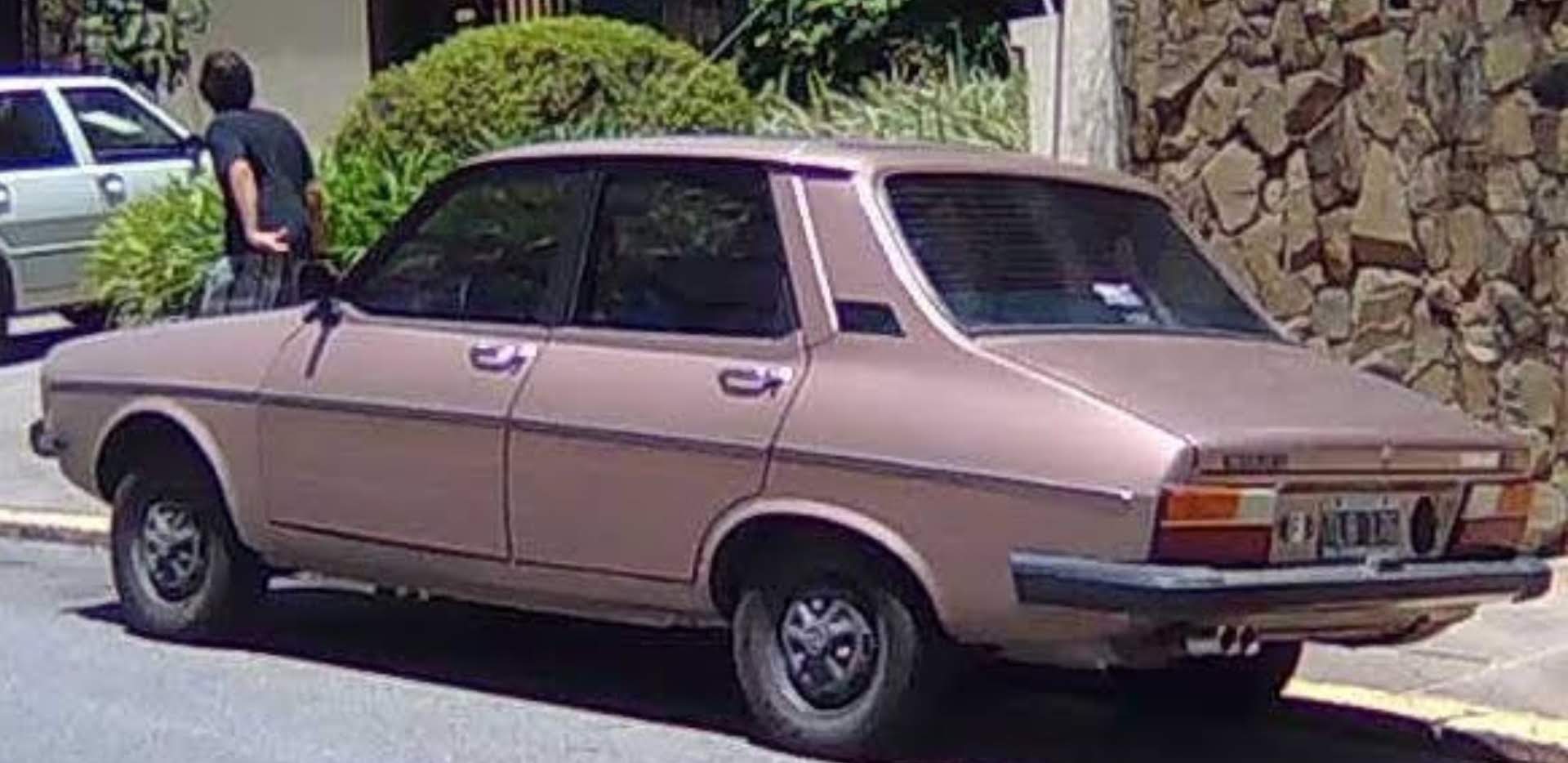
5 - Renault 12: its Spanish variants were made under license by the former FASA-Renault, only with gasoline-powered 1.4L Renault Cléon-Fonte engines. The absence of any Diesel variant of the Renault 12 or its derivatives elsewhere could've justified the outsourcing.
Sunday, December 26, 2021
Brazilian vs. Chinese: what's the best approach to the small bakkie?
In favour of the car-based designs more sought after in Brazil, which despite being mostly based upon a front-wheel drive unibody such as the Fiat Strada end up resembling an Australian coupé-utility, there is usually a better overall performance due to the fitment of engines better suited to deal with the GVWR, in contrast to the often underpowered copies of some random outdated Japanese engine and extremely low gearing often found on those Chinese copies of the Suzuki Carry. While the unibody doesn't render a Brazilian coupé-utility so easy to replace the stock rear tray for a task-specific bodywork compared to a body-on-frame, and the front-wheel drive is more affected by changes to the weight bias when loaded, the Fiat Strada often leads the commercial vehicle sales ranking in Brazil, not only among urban buyers who might prefer a smoothier ride but also for agribusiness-related duties. In the end, while commercial operators may become attracted to the cheap Chinese Suzuki copy at a first glance, the Brazilian coupé-utility is more cost-effective.
Tuesday, December 21, 2021
Spotted on the wild: dedicated-ethanol Brazilian Chevrolet Monza
Saturday, December 18, 2021
5 cars other than air-cooled Volkswagens or Porsches that could be interesting to adapt an Australian Radial Motion engine
1 - Ford Ranger (Americas model until 2011): as some trims of the Radial Motion engine outperform the 2.3L Duratec 4-cyl which was the base-engine for this model, even though it has a slightly smaller displacement and a pushrod valvetrain, it already sounds interesting enough to justify. The lower weight is also interesting, considering the gasoline-powered versions had a lower payload than the turbodiesel versions made in Argentina, so the weight bias would be improved while unloaded without detrimental effects while loaded;
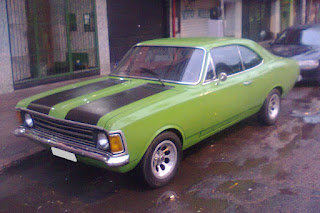
2 - Chevrolet Opala: the Brazilian equivalent to the Opel Rekord C/Commodore A, was fitted with the 2.5L Chevrolet 153 engine (later 151) on its 4-cylinder versions, while the 6-cylinder had either a 3.8L 230 or a 4.1L 250 engine according to the model-year. Even though it's smaller than any engine fitted to the Opala and the 6-cylinder Opel CIH engines fitted to the Commodore, there are some versions of the Radial Motion capable of outperforming them all in stock form. Liquid-cooling might sound as a quite obvious way to go, but I must confess it would also be quite tempting to try an air-cooled;
3 - early Suzuki Grand Vitara: even the 2.5L H25A V6 can be outperformed by some versions of the Radial Motion engine, let alone the much more usual 4-cylinder 2.0L J20. A lower-weight and shorter engine such as the Radial Motion may also actually benefit off-road performance;
4 - Lada Niva: engine swaps are quite common for this model in my country, with Volkswagen EA827 engines being the most common option. As the Radial Motion is offered with a Volkswagen bolt pattern it might be another straightforward adaptation too;
5 - Alfa Romeo Giulia GTV: an Italian beauty which stock engine is a piece of mechanical artwork, but it would still be tempting to go one step further. Well, considering the carburettor-fed versions of the Radial Motion might at first seem more complicated due to having one more carburettor, it's also worth to remind it won't require any timing chain replacement as the Alfa Romeo "Nord" Twin Cam engine would, the Alfa Romeo had dual-barrel carburettors which are far from dumbproof. It's also interesting to compare the electronic fuel injections of the Radial Motion to the SPICA mechanical fuel injection which used to be fitted to US-spec Alfa Romeo models.
Saturday, December 11, 2021
Argentinian-made '02 Ford Ranger with factory crew-cab and artesanal wooden high-dropside flatbed
Saturday, December 04, 2021
Why could the Ford Ka Mk.1 be considered suitable to the role of a VW Beetle replacement?
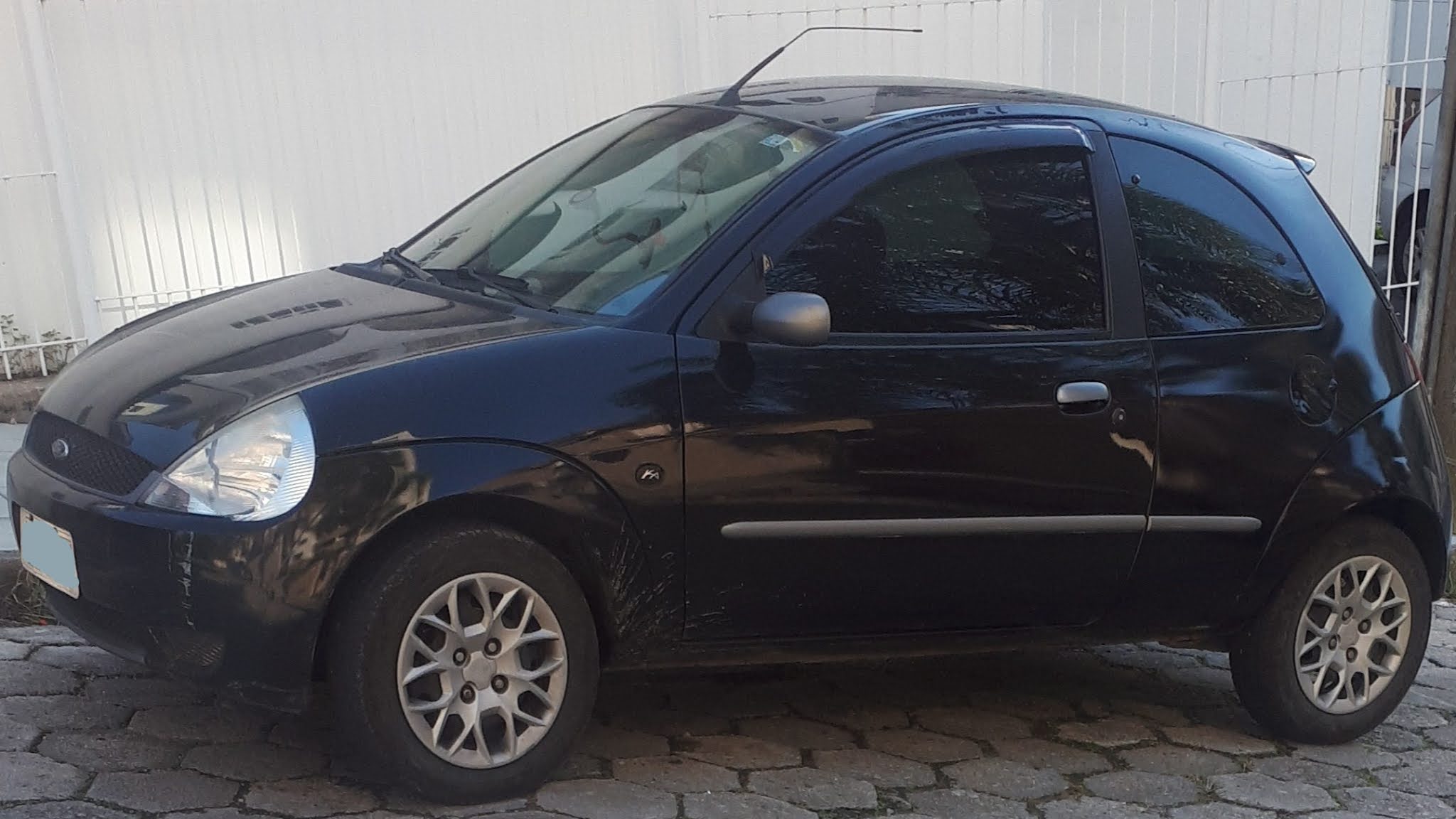
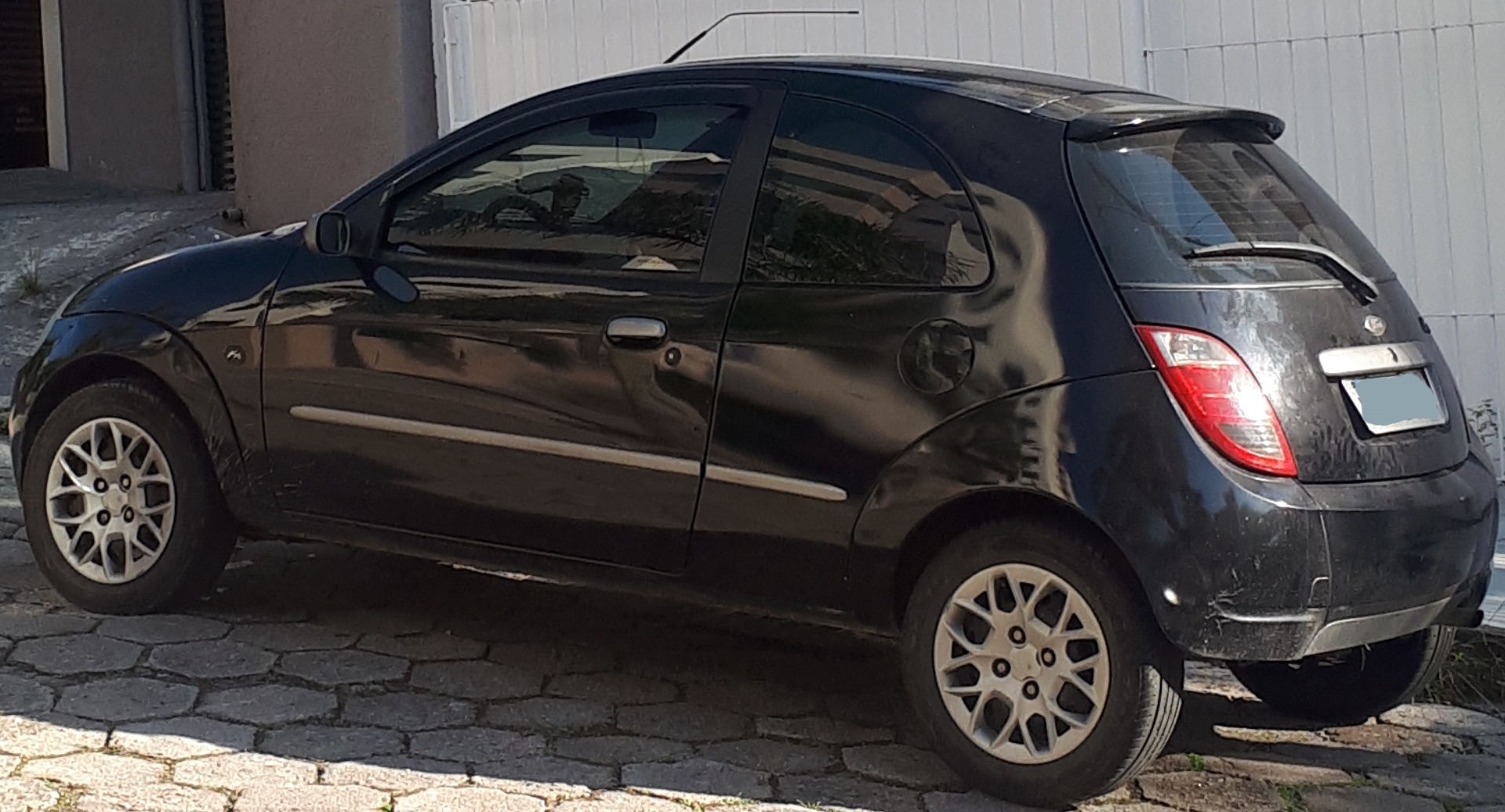
Naturally some technical differences such as relying on a front-mounted transverse inline-4 engine and front-wheel drive, which became the standard for most economy-cars in the '90s along the McPherson suspension up front and a rear torsion beam, highlight much of the changes within the motor industry and the focus on "manufacturability" increasing the parts commonality with other mainstream models for better economics of scale. Unlike the Beetle which turned out to be quite unconventional according to the standards of small cars at its release, and became a category of its own, the Ka followed a quite conservative approach considering the market conditions during its development and production cycles. So, despite the obvious technical aspects and marketing circumstances which each model was subjected at their respective times, it's not totally out of question to consider the Ford Ka Mk.1 one of the possible answers to the search for an eventual Beetle replacement.
Friday, November 26, 2021
PQ24-based Fox, probably the most underappreciated Volkswagen ever
More capable of actually meeting the requirements for a small family car than the Up, maybe the Fox is even more up to the task (no pun intended again) of fulfilling the role of a Beetle replacement, despite its Euro-spec variants being only 4-seater in contrast to the 5-seater layout of the versions sold in Latin America. Its relatively long production run with fewer minor upgrades, and being based upon the same underpinnings of some mainstream European-designed model also prompts to a comparison between the Fox and the Beetle-derived Brasília, which were both Brazilian-specific designs with only a minor international availability. Relying on already-proven underpinnings, and being suitable to the fitment of up-to-date engines such as the 3-cyl flexfuel 1.0L fitted to the 2014 model-year BlueMotion version, the Fox was a smarter design than its presence more concentrated on a handful of so-called "emerging markets" in Latin America could suggest.
Monday, November 22, 2021
Brazilian Honda CG 160 modded similar to a Brat-Style
Friday, November 19, 2021
3 cars made in Brazil which actually surprised me for never having ever featured a pushrod engine
In a country like Brazil, often pointed out as a harsh environment for the most up-to-date car tech due to reckless car owners who don't really seem to care about preventive maintenance, one aspect which does often amaze me is how some so-called "people's cars" never really featured some much simpler engine designs. Sometimes there is a good reason to take benefit from the economics of scale manufacturing a very same engine which can cater both to a no-frills small car and to something else one class above, yet the higher degree of neglect entry-level models often face may justify a more austere powertrain, such as an OHV (overhead-valve) engine, a.k.a. cam-in-block or "pushrod" engine. Among so many econoboxes which had ever been available in Brazil at some point, at least 3 do surprise me enough to justify being listed as a car which could've eventually benefitted from a pushrod engine:
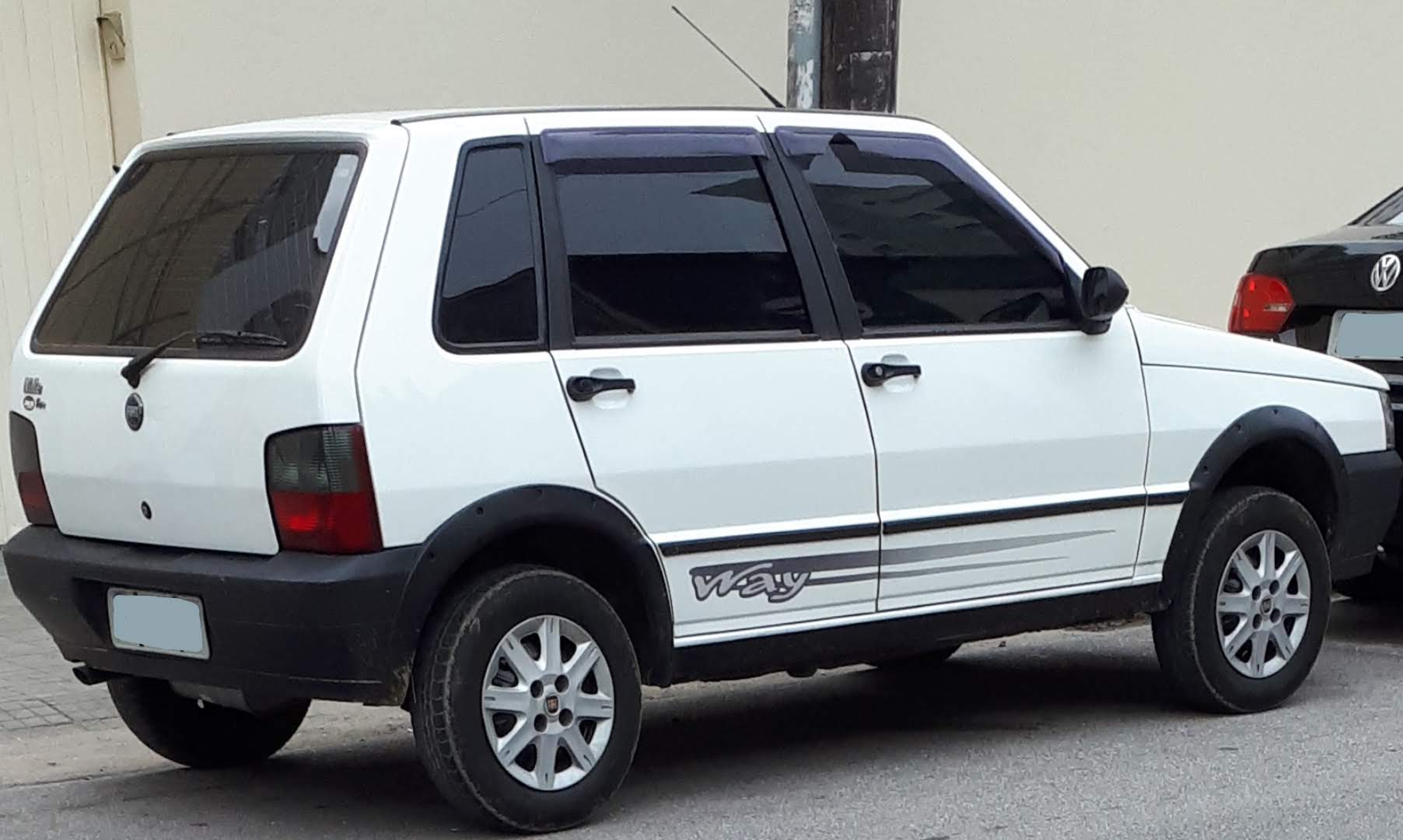
1 - Ford Fiesta Mk.5: this was the first generation of the Fiesta to feature only engines with either a single or double overhead cams, benefitting from the development of the Zetec-Rocam engine range which relied on a chain-driven single overhead cam and had only 2 valves per cylinder. Even though it would most likely be out of question to start manufacturing the Endura-E 1.0L and 1.3L engines locally, Ford had previously made under license from Renault some derivatives of the Cléon-Fonte engine, with the displacement ranging from 1.0L to 1.6L exactly like the Zetec-Rocam. Sure the higher performance and more rev-happy nature of the Zetec-Rocam were more in accordance to the expectations of the average Brazilian budget-conscious car buyer during the production run of the Fiesta Mk.5 and its local facelifted versions, yet its sealed timing chain can be quite bothersome to replace once the engine gets a full overhaul;2 - Brazilian Fiat Uno: unlike its European counterpart which had featured 899cc and 903cc versions of the 100-series engine, the Brazilian model resorted to a belt-driven OHC derivative of the 124-series and later to the FIRE engine. The early Fiasa engine was often plagued by timing belt ruptures and, due to its interference design, serious damage can occur if a valve still open gets hit by a piston. As a chain-driven OHV engine would be less prone to this issue, which plagued so many Fiats in Brazil until the FIRE engine already developed from scratch with an OHC valvetrain had a properly-designed belt tensioner was released locally, quite lately compared to the European market by the way, and in some neighboring countries were also offered versions of the European Fiat Uno still featuring the 100-series 903cc engine alongside its Brazilian counterparts, seems like a pushrod engine would not be so out of question regarding regional operating conditions;
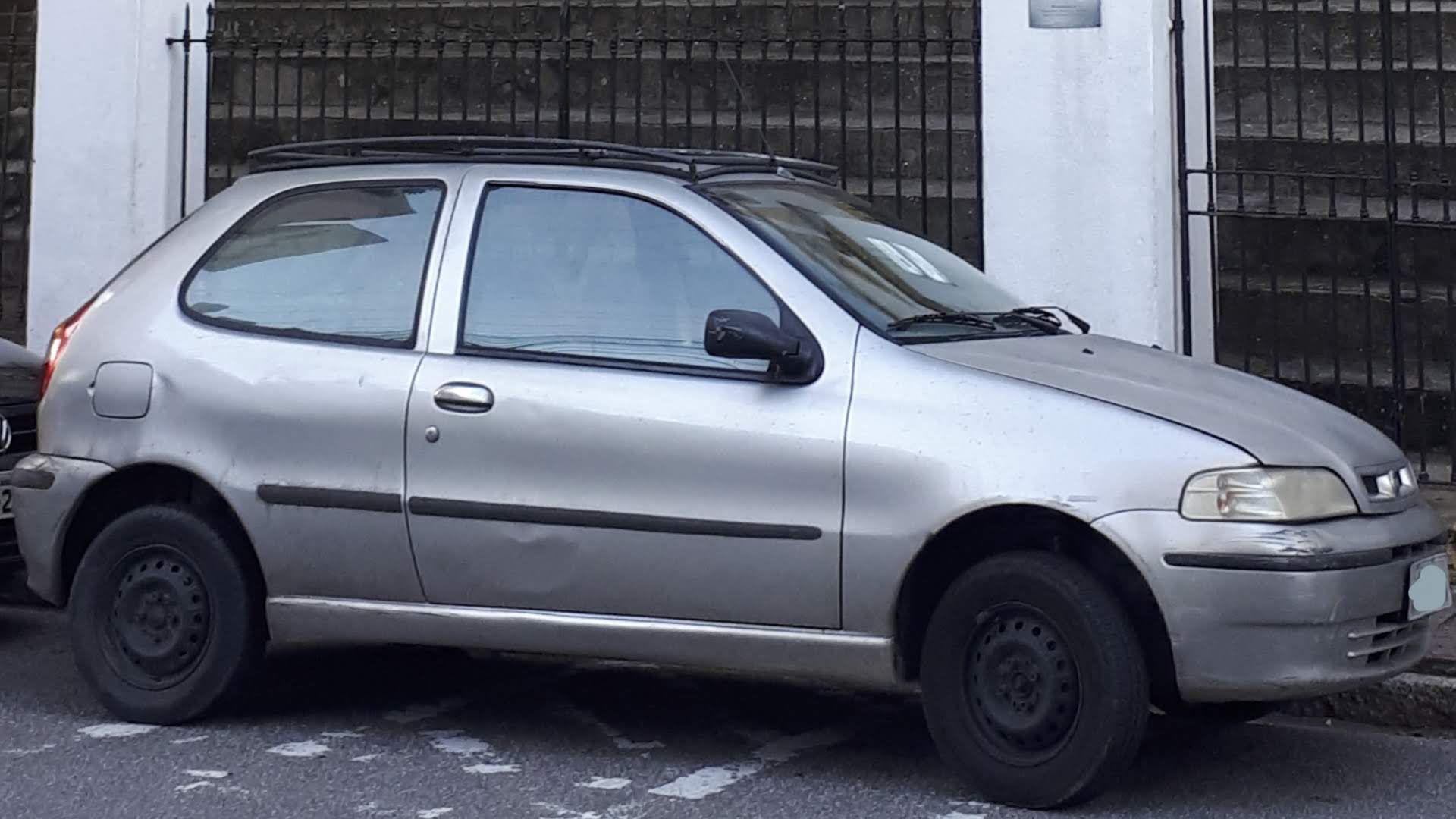
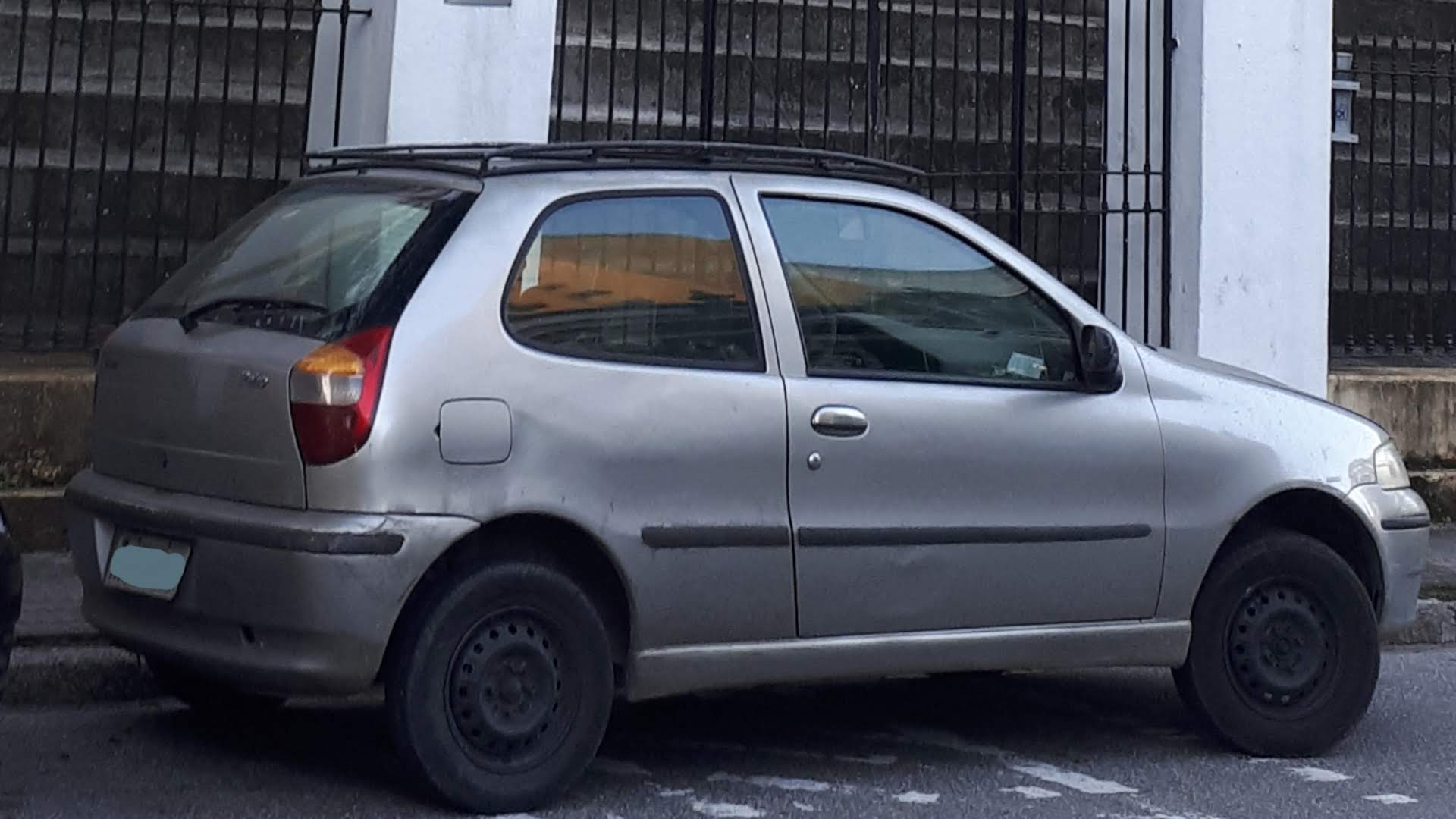
3 - Fiat Palio: meant as a replacement to the Uno in Latin America, parts of Africa and Eastern Europe, having also resorted to the 124-series OHC derivative and the 128-series, also featuring the FIRE which became prevalent after the first facelift, the same harsh environmental conditions and often a precarious maintenance would justify an OHV engine. Even though the FIRE engine has often been regarded as a quite dumbproof engine, a chain-driven OHV valvetrain is often still more suitable to harsher operating conditions.