Thursday, September 24, 2015

A personal reflection about the Volkswagen emissions scandal

Volkswagen's cheat on the EPA certification tests for the EA-189 2.0TDI Clean Diesel engine has been one of the most commented subjects of this week, not just in the United States and Canada, which follows American emission standards closely, and highlighted some skepticism about how environmentally-friendly a Diesel engine is in light-duty vehicle applications.

Being one of the strongest sales argument for models like the Volkswagen Jetta in many markets around the whole world, the 2.0TDI engine is now under scrutiny even in countries with emission regulations milder than the ones currently enforced in America. But is Volkswagen really the only one to blame, or does EPA hold some responsibility for the mediocrity of its validation test protocols which sound almost like an invitation for frauds? Isn't there any better way to overcome the environmental footprint of Diesel engines instead of pushing for all that over-complicated aftertreatment setup?

That being said, Volkswagen sold 482000 vehicles from both Volkswagen (Golf, Jetta, Beetle and Passat) and Audi (A3 and A4) brands and model-years 2009 to 2015 fitted with the 2.0TDI engine and a hidden software that could detect when the vehicle was submitted to a standardized emissions test on a roll dynamometer based on input from temperature, engine operation time, barometric pressure and even the position of the steering wheel, and then switched from a fuel savings and performance-oriented tune to a milder one more focused on low emissions, and then in normal operating conditions it went back to the de-restricted tune.

However, it is a Federal violation to override any EPA-mandated emissions-control device, so Volkswagen received a Notice of Violation last Friday (Sept. 18th). It led to Nitrogen Oxides (NOx) emissions 5 to 40 times above the enforced limits, depending on which aftertreatment system was fitted. All have EGR, which works by recirculating some amount of exhaust gases into the combustion chambers, thus displacing oxygen which by the way requires lower injection volumes in order to keep the air-to-fuel ratio, and then lower combustion temperatures were achieved, in turn generating less NOx. The Passat is also fitted with SCR in the 2014 and 2015 model years, using an urea-based Diesel Exhaust Fluid in a thermo-chemical reduction of NOx into free Nitrogen and Oxygen molecules. However, in normal operational conditions, the effectiveness of both systems was either disabled or highly restricted. Volkswagen can be fined up to US$37,500.00 for each non-compliant vehicle sold, which is already more than what the customers paid for many of them, so the expense on fines alone would be around some US$18 billion, and a recall to disable the cheater software might be already on its way...

Around the world, 11 million vehicles from Volkswagen Group brands, not just Volkswagen and Audi but also Skoda and SEAT which aren't officially available in North America, were factory-fitted with the EA-189 engine, and even though they're subjected to less stringent regulations, some distrust emerged against the effectiveness of the aftertreatment and the real-world emissions compliance, most notably in Europe. French and German authorities already called for more investigations to check if Euro-spec engines are also emitting more NOx than what was enforced for the Euro-5 standards. Volkswagen claims that its current Euro-6 range is fully-compliant not just in the NEDC standardized tests but also during normal operation, but all that scandal is still a harm to the credibility of the company not just among politicians and bureaucrats, and even some customers feel betrayed by Volkswagen. American TDI owners who feel somewhat injured due to an unexpected depreciation of their cars or a higher fuel consumption after having its emission-control updates might settle either individual or class-action lawsuits against Volkswagen of America.


Another interesting aspect to consider is that other companies, such as Chrysler and Mitsubishi, have relied on Volkswagen-supplied TDI engines fitted into Euro-spec and Australian-spec versions of models like the Jeep Compass and Mitsubishi Lancer which, in spite of being also offered in North America, didn't have the Diesel option there. It raises questions about the cheating software being used by Volkswagen as a way to keep some market reserve for its light-duty Diesels in the United States. On the other hand, it might clarify doubts and questions about the emissions-compliance of the engine anywhere else.

Another matter of controversy is the political aftermath of this incident. EPA and CARB policies have been questioned by many American citizens who see them as anti-American. All that witch-hunting about tailpipe emissions is frequently mentioned as a pointless measure, as it leads to a low overall efficiency of American-market cars compared to their foreign counterparts. Considering all the environmental impact of oil drilling, refining and logistic processes required to ensure a steady supply to meet an increased demand for Diesel fuel, it surpasses by far the environmental threat claimed against the Volkswagen 2.0TDI by EPA and CARB. Hell, while the devout Muslim Obama bows down to the Saudi king and forces the Americans to send their hard-earned dollars to the OPEC mafia, EPA closes its eyes to biodiesel and the direct usage of vegetable oils as cleaner, economically-viable replacements to Diesel fuel.

Shipping crude oil from the Middle East, Africa or Venezuela is also a dirty process, as many tanker ships are still fueled by bulk oil with high sulphur contents among other issues, while biodiesel and vegetable oils could be locally-sourced and they do close the Nitrogen cycle. Peanuts and castorbean, for example, not only are great energy crops but also help retain Nitrogen on the soil, which is excellent for crop rotation. Also, due to the prevalence of processed meats (hamburgers, sausages, corned beef, among others) over fresh meat in the United States, sure an enormous supply of low-cost fats from slaughterhouses and meat processing industries is readily available to be turned into biodiesel. So, it's not any hard to figure out that Diesel-engined vehicles with a lower fuel consumption are highly desirable as they impose a lower pressure on both food and biofuel prices, while the NOx issue wouldn't seem so significant when we take into account not just the closed Nitrogen cycle but also the lesser waste of petroleum to provide all the power required by tanker ships, drilling rigs and refineries.

Thursday, September 17, 2015

Riced Opel Corsa B

That tuning fever from the early-2000s, heavily influenced by the first movie of the Fast and Furious franchise, still has some influence nowadays. Though most of the ricer hype was much gone about 2010, walking on the streets we still see random subcompacts with fancy bodykits such as this Opel Corsa B 2-door hatchback spotted in my hometown.
Though the rear spoiler and the wing-mirrors do have some functionality and lead to some real-world aerodynamic benefit, other mods seem to actually induce some undesirable parasitic drag at higher speeds.

Friday, June 05, 2015

Tricycles and sidecars: a good alternative for fleet renewal in 3rd-world countries

Derelict old beaters are still a common sight in some 3rd-world countries, many still getting daily-driven either for professional purposes or as a private commuter, but the high average age of the fleet is often approached as a matter of concern not just due to the outdated emission regulations enforced when those vehicles were made but also due to safety issues. Apart from the absence of airbags, crumple zones, side-impact beams, anti-lock brakes, whatever became mandatory in newer vehicles, the effects of all the wear and tear and eventually some lack of preventive maintenance are anything but negligible.

However, the purchasing price of a brand-new car, even an economy-class one such as a Toyota Etios, is often too expensive for many 3rd-world customers, and the ever-growing technical complexity is also usually pointed as a downside of newer vehicles. Also, in spite of stricter emission regulations enforced nowadays, there is some questioning about the real footprint of a modern car vs. keeping an old beater on the road due to all the energy spent to manufacture a new vehicle, even if that involves recycling materials from scrapped jalopies instead of just increasing the mining for raw materials. Another aspect to consider regards to fuel-efficiency: not even the ever-growing fuel costs seem to justify the initial purchasing price of a new econobox, considering the marginal mileage improvements over an old beater such as a Ford Escort Mk.3 with the Renault-based CHT engine.
In this scenario, tricycles and motorcycles fitted with sidecars sound as a sensible alternative, due to their attractive purchasing price and some real improvement regarding fuel-efficiency. The lower safety standards compared to a modern car, although seeming like an enormous disadvantage, are less noticeable compared to the random old econobox of comparable role going to be replaced. It may even pose as an environmental advantage, since the lesser amount of safety gadgets also means that less raw materials and energy are required during the manufacturing process of the tricycles and motorcycles, and usually a lesser amount of replacement parts throughout the predictable useful operational life of the vehicle.

However, in some countries such as Brazil, passenger transport in sidecars is seen as a taboo. Motorcycles are often treated as being somehow "inferior" to a car, and the wide usage of sidecars by the Nazi troops in World War II is still a strong stereotype, even among some segments of the Brazilian youth. After showing the picture of a Honda CG 125 with a passenger sidecar to a handful of random Brazilian teenager boys, one of them quoted it as a "Nazi bike" just because he has seen motorcycles with sidecars in WWII-themed movies, while others recalled the cargo sidecars that have actually become popular among small businesses in Brazil due to the low operating cost and widely used for LPG gas and bottled water home delivery. The lack of prestige in passenger transport is a less relevant matter when it comes to cargo hauling...

Despite all the practical advantages of a tricycle or a motorcycle with sidecar over a car in an identical operational scenario such as a Fiat Uno, the outdated emission regulations enforced for motorcycles were constantly held against them to discredit any of their environmental advantage regarding other aspects. However, the availability of electronic fuel injection and catalytic converters has reached even low-displacement motorcycles, which turned them as strictly-regulated concerning to emissions as a car. Even alternative fuel capability became a reality, and while some countries in Asia approached to Compressed Natural Gas (CNG) there are some gasoline-ethanol flexfuel motorcycles available in Brazil, such as the Honda CG 150 Mix, rebadged as FlexOne after a recent restyling.

Now, a matter of controversy: can a cheap motorcycle-based utility tricycle be deemed more eco-friendly than a much more hyped hybrid car? Performance-wise, a tricycle powered by an air-cooled 150cc carburettor-fed engine is clearly disadvantaged, with a top speed usually around 60 to 80km/h which sounds enough for inner-city traffic but does compromise the safety on road, although some beefier engine up to 250cc or 300cc would provide some higher power reserve for occasional highway rides and the fuel-efficiency wouldn't be so disadvantaged due to the higher weight compared to a motorcycle. Aerodynamics also harm both fuel-efficiency and road performance, but there is a lot of room for improvements in this field. Anyway, an air-cooled 150cc carburettor-fed engine still leads to Prius-like 25km/l (4L/100km) average fuel consumption figures in a poorly-aerodynamic tricycle, so a bigger liquid-cooled engine combined to a wider gear spread and some aerodynamic enhancements turn the overall performance more suitable to occasional road stretches.

Despite all the skepticism and criticism they may still face both by people from developed countries who see it with some disdain as a makeshift or even in 3rd-world countries where private car ownership is still regarded as a status symbol, tricycles and sidecars are an economically-attractive and technically-viable option to meet the requirements of budget-constrained customers seeking for a good alternative to get rid of an old jalopy, considering not just their low cost of ownership but also the overall environmental footprint which might also cater to some segments of 1st-world markets willing to pose somewhat "environmentally-correct".

Saturday, April 18, 2015

Sidevalve engine: is it really obsolete at all?

Sidevalve engines, also known affectionally as "flathead" engines due to their head formats, once had their days of glory, having in the earliest Ford small-block V8 one of their most iconic examples. Introduced in 1932 and available into Ford cars and trucks until 1954, it's still cult-followed at some extent.

In spite of having some limitations, mostly concerning the internal flow restrictions, lower engine speeds, lower compression ratio and eventually an insuficient cooling of the head, the sidevalve layout has noticeable advantages regarding its overall physical volume much reduced due to the lower head, even though the block has to be slightly wider to accommodate the valves, reduced weight and a lesser likelihood of failures resulting from oil starvation, since the moving parts are kept further low so there is a smaller path the oil has to flow into.
Another notable example is the Ford Model T, made from 1908 to 1927, always with a 4-cylinder sidevalve engine. This valvetrain layout does make sense for a no-frills vehicle such as the Model T, due to the lower manufacturing cost resulting from a simpler design, which also led to an easier maintenance. The inherently low compression ratio, often pointed as a disadvantage of sidevalve engines, actually worked out perfectly for the Model T, due to the lower grade of the regular gasoline available back then.

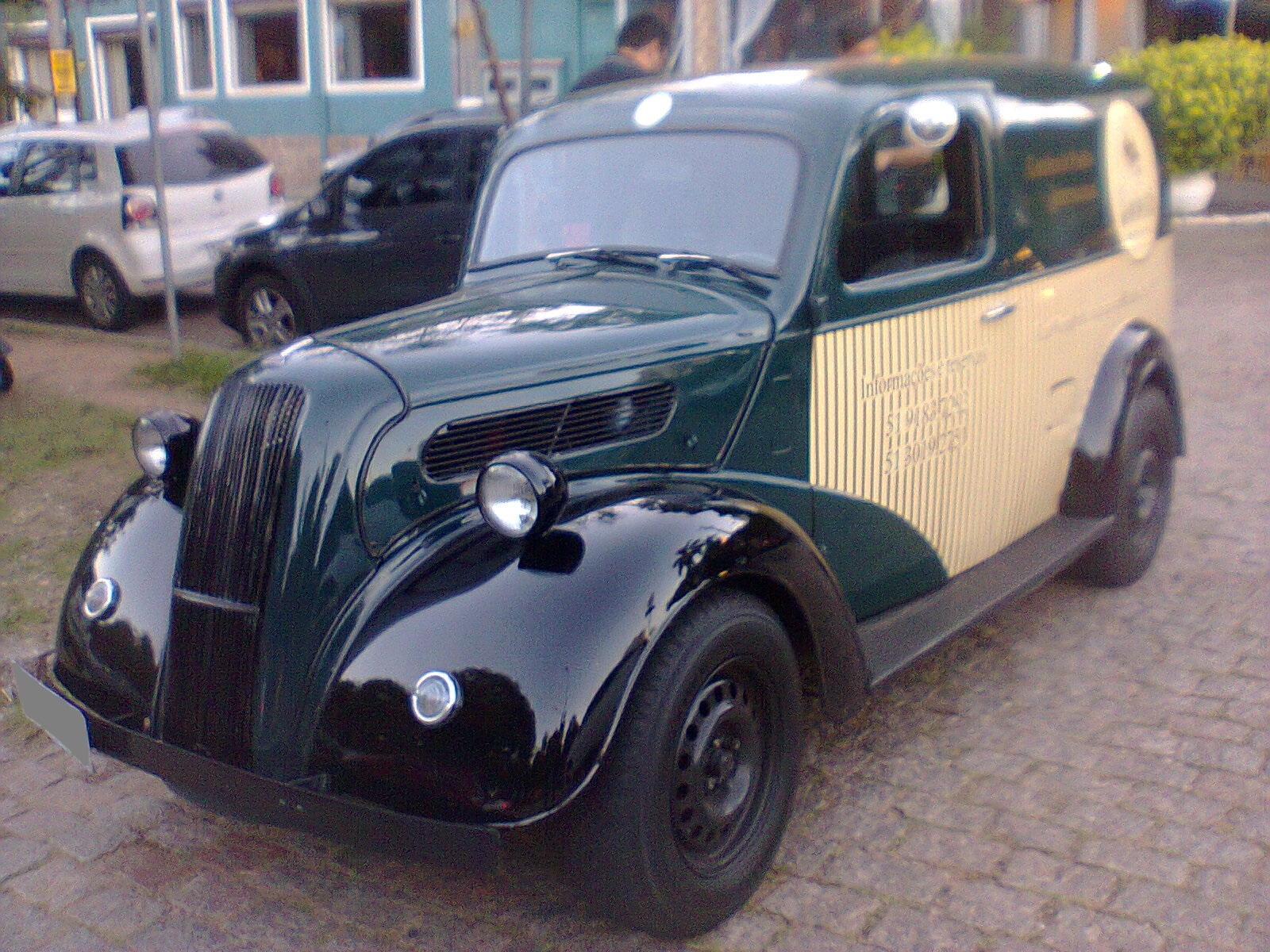
Sidevalve engines had also been highly popular in European compact cars, such as the British Ford E494A-series Anglia and the French Renault Juvaquatre, until late '50s. After that, the introduction of tetraethyl lead into the gasoline as an anti-knocking additive and valve seat hardening agent was kinda inviting for the extra expense on overhead-valve layouts which allowed a higher compression ratio, often pointed to increase the overall efficiency of the engine.

Another point favorable to the sidevalve engines is their suitability to special applications such as off-road vehicles and light piston-powered aircrafts. The low-end torque is actually favored by the inherently lower speed ratings, and the fact that engine moving parts are concentrated downwards also keep the lubrication more precise even under severe inclination variance. A good example is the early Jeep Willys, fitted with the Continental Go-Devil inline-4 engine. In spite of the absence of developments targetted to automotive applications, another promising market is light aircraft, plagued by the push for a ban of aviation gasoline (AvGas) due to environmental concerns about the tetraethyl lead content still present on it. Besides the suitability to lower-grade fuels, the lower speed in a sidevalve eliminates the need for a reduction gearing between the engine and the propeller.

Despite all the incredulity towards sidevalve engines, they still have some advantages which are worth considering...

Thursday, March 19, 2015

Brazilian Volkswagen Kombi pick-up with oversized bed

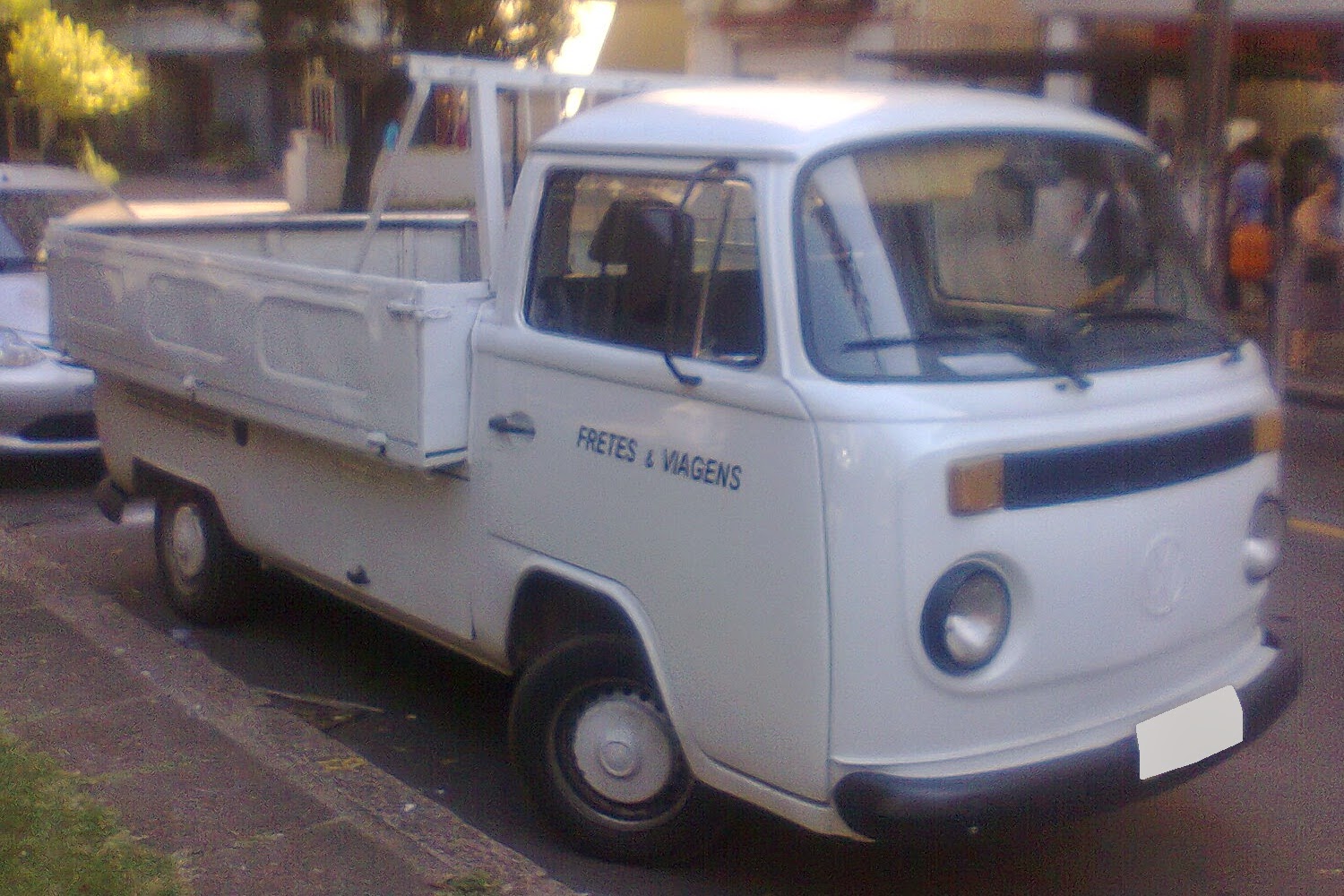
In spite of the popularity of the vans, pick-up versions of the Kombi are getting somehow rare in Brazil nowadays. Actually, it's easier to find them with aftermarket wooden beds instead of this pressed-sheetmetal one which is a little oversized but had been a factory fit for the Kombi at least in Brazil. Spotted this one yesterday morning while I was taking my dog for a walk.

Saturday, March 14, 2015

Are restraint systems becoming over-complicated?

Restraint systems are often pointed among the most important safety features in a motor vehicle since the first lap-belts were introduced by Volvo in the 50's, and their complexity increased considerably after the introduction of 3-point seatbelts and airbags. A simple lap-belt is still enough for the driver and passengers to avoid having their necks broken in case of rollover, while a 3-point seatbelt is only useful either if it's the only way to prevent the driver and front passenger(s) from hitting the windshield in case of collision or to enhance the support for disabled drivers. Airbags, in spite of all the hype around them, don't really seem to make so much sense.

Restraint systems would be less likely to save anyone's life in a structurally weak vehicle, such as some third-world econoboxes which bodies are made out of lower-grade steel alloys and often thinner metal sheets, while their counterparts targetted to developed markets might easily fare better in case of accident when a defective airbag wouldn't deploy. Actually, even a side-by-side ATV such as the Polaris Ranger is safer than many third-world subcompact cars. It's also worth to look at American school-buses, which are fitted with lap-belts in a few states but usually don't have seatbelts everywhere else while still deemed the safest road-legal vehicles on earth. The concepts of "compartmentalization" applied to their interior layout sure has an important role on that matter, while the side panel trims and seats cushioning provide different grades of impact absorption in order to prevent major injuries while the seat backs height prevents whiplash without resorting to airbags, and not even the simplest lap-belts are needed if we consider that a school-bus is not so prone to rollovers.

Having such examples in mind, what can still justify the cost and complexity associated to airbags? Basically, sophisticated restraint systems also work out as an easier excuse for the marketing departments of the manufacturers to push more expensive options for customers who don't really need, neither want them. That way, the extra cost coming from a pair of airbags may seem more diluted at the price tag of a car with a fancier interior trim, infotainment, alloy wheels with fat low-profile tyres and the hell out than it would do in a no-frills version with manual windows and mirrors, plain-black mirrors and door handles, a cheaper trim, skinny high-profile tyres in smaller pressed-sheetmetal wheels (with or without hubcaps) and a simple AM/FM radio with USB connection (or eventually no radio at all). Even if the profit margin at the airbags and the amenities gets a slight reduction in order to be pointed out for the final customer as a "value package", they're still highly profitable for the manufacturer due to an increase in their production volume.

Another matter of concern, regarding most specifically to airbags, is the clearance issue while fitting the vehicle with adaptive controls for disabled drivers. Some interfaces, such as ring-shaped accelerators mounted over the steering wheel which are still widely popular among paraplegic drivers in Europe, were already challenging when driver airbags started to appear, and revisions on their designs were required to overcome this difficulty. Nowadays, knee airbags pose a major issue regarding lever interfacess, either just for the brake or combined accelerator/brake units. Some popular devices in this category still use pushrods to transfer the movement from the lever to the pedals instead of cables due to reliability concern, but it ends up on the way of knee airbags when they're fitted. Altough it might seem easier to just resort to a floor-mounted unit such as a Carospeed/Menox, any one-size-fits-all approach to this market segment won't work out so effectively.

We can't deny the importance of safety features such as ABS brakes and stability control, since they effectively decrease the likelihood of a crash, and collapsible steering columns for avoiding many deaths, but at a certain point airbags get excessively praised, and it's not so inaccurate to claim that seatbelts are also over-estimated at a minor extent. Apart from the noticeable increase in the purchasing cost of a vehicle fitted with airbags, the cost to get them replaced, either due to deployment or expiration, is rather unjustifiable considering the residual retail value either in an older car or in a salvaged one, leading otherwise roadworthy vehicles prematurely to the junkyard.

Wednesday, February 11, 2015

Brink's armored van

Still think a 4-cylinder turbodiesel under 3-litre is not enought to get the job done? It's time to review some concepts...
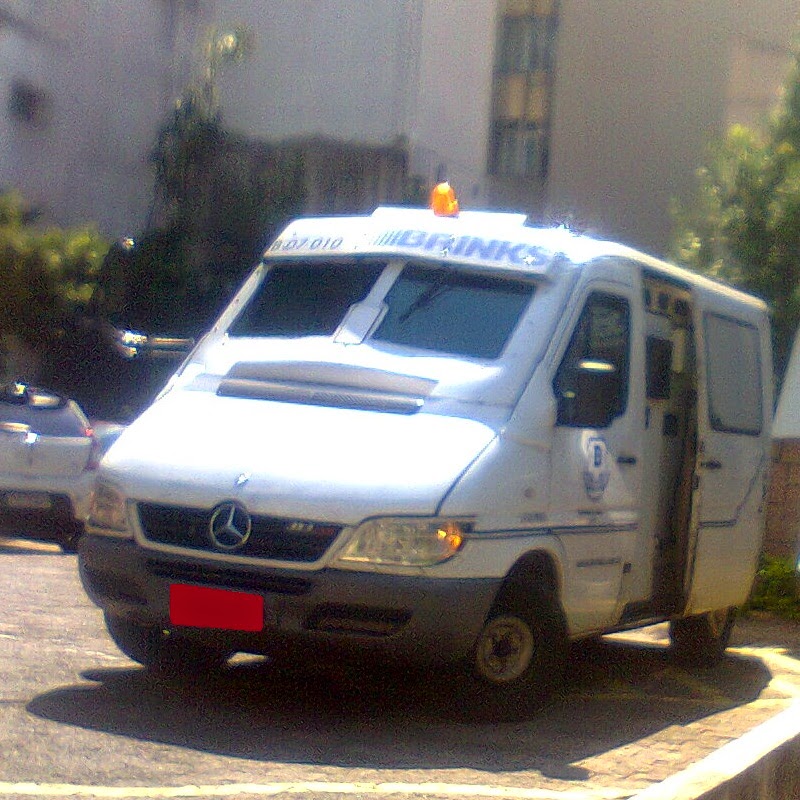
Alongside its regular cash-transit vans built around medium-duty truck frames, Brazilian branch of the Brink's company also operates with some Argentinian-made Mercedes-Benz Sprinter vans, mostly due to their enhanced maneuverability in tight spaces, fuel savings, and to circumvent restrictions on the circulation of trucks in some areas. The only engines officially available for the Sprinter in Brazil since its introduction in '97 have been 4-cylinder turbodiesels, and this one specifically is fitted with a 2.1L OM611 rated at 127hp (129cv for those more used to the French unit, or 95kW) at 3800RPM and 300Nm. (220lb.ft.) at 1600-2400RPM backed by a 5-speed manual transmission. Apart from a handful "executive" passenger vans which featured a 5-speed automated-manual transmission, the Sprinter is only available in Brazil with manual transmissions.

Sure the weight added by the up-armoring decreases its payload in a significant matter, but it still does what it's expected to do.

Monday, January 12, 2015

Fiat Siena Tetrafuel

Yesterday morning while I was walking my dog in another neighborhood nearby, I saw this Fiat Siena Tetrafuel, the first vehicle factory-fitted to run on gasoline, ethanol and compressed natural gas (CNG). What surprised me the most, actually, is the fact that this one didn't had a taxi livery, which is pretty much unusual since its main market had always been the taxi segment in Brazil. Actually, the Tetrafuel nameplate is not so accurated, since it runs on gasoline, ethanol and CNG, not considering Brazilian-standard E20/E25 gasohol as a distinct fuel at all. It has a pair of 6.5m³ trunk-mounted CNG tanks, and only one single tank for the liquid fuels at its regular underbody location. The engine is a 1.4L Fire with the 8-valve head and natural aspiration, and power figures were 67hp while running only on CNG, 80hp on gasoline, and 81hp on ethanol. Introduced in 2006 alongside the already-available gasoline/ethanol flexfuel variants, the Tetrafuel was phased out in Brazil in 2011 and replaced in 2012 by a Tetrafuel variant of the Grand Siena which was introduced in that year. The old model had its production transfered to Venezuela, where it had been a captive import, and the Venezuelan-made version was rebadged Dodge Forza.

Monday, January 05, 2015

A few CNG-powered trucks in my hometown

Compressed Natural Gas, or CNG, was initially deployed as an automotive fuel in Italy during the inter-wars period, and is currently pointed as one of the easiest-to-implement measures to reduce the dependence on Middle-East oil, alongside ethanol. It's usually extracted from fossil reserves, either in oil wells or isolated, but since its basic component is Methane gas it can also be sourced from any organic matter residue in landfills and wastewater treatment plants. It's often also pointed as more sustainable than ethanol and biodiesel, because its impact on food prices and availability is lower. The main markets for CNG-powered vehicles nowadays are India, Pakistan, Argentina and Brazil. Their presence in Europe and the USA is increasing in commercial vehicles, but is still not so popular among private car owners due to the lack of refuelling stations in spite of the availability of Natural Gas as for stationary applications such as power generation, home heating and cooking fuel. Anyway, the folks at Ecomodder and CNGChat might like these ones...

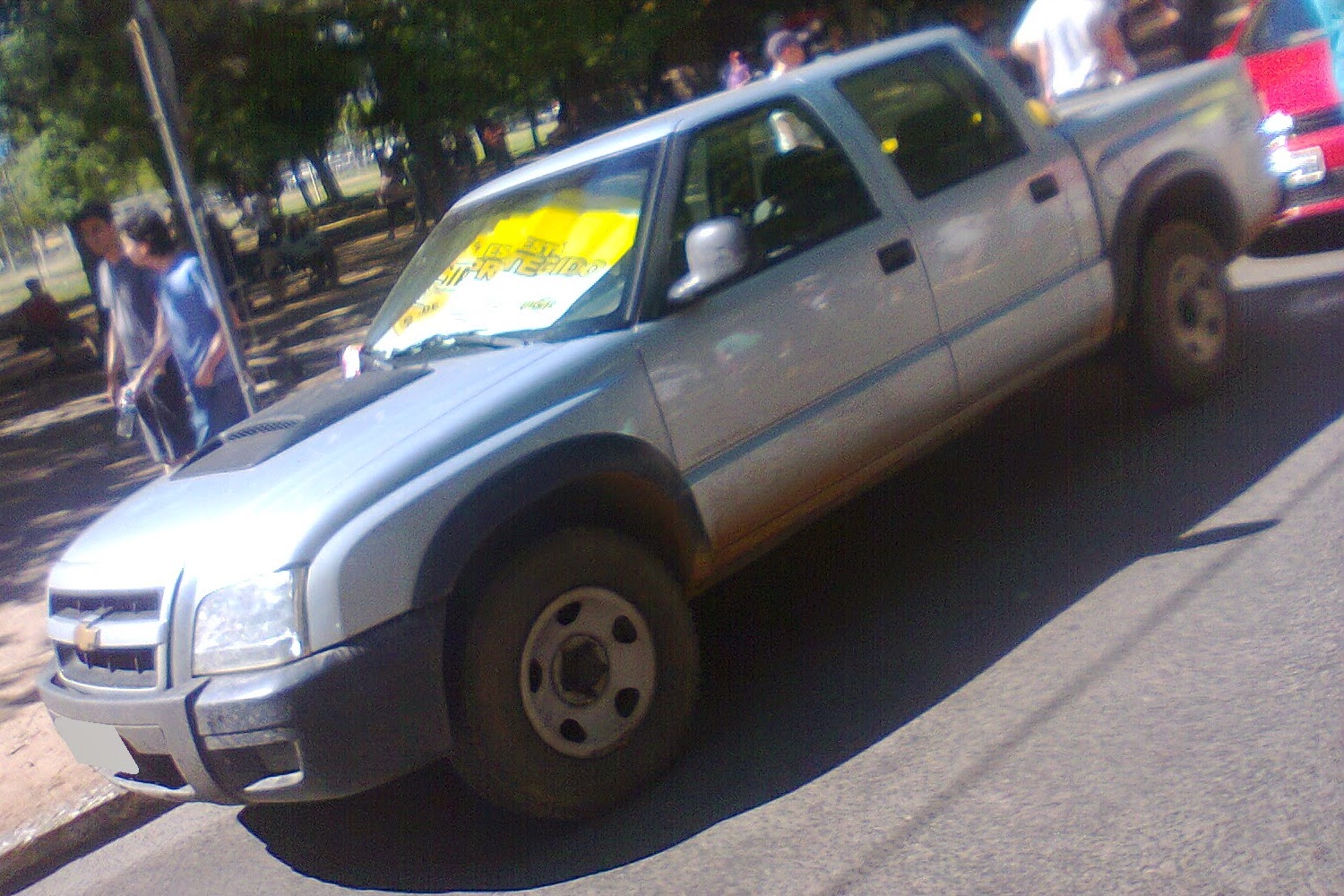
Brazilian versions of the Chevy S10 have an Opel-designed 4-cyl engine available, initially as gasoline-powered but gasoline/ethanol flexfuel since '05, instead of the Vortec 2200 from their American equivalent. This on was originally a flexfuel, so now with the CNG setup it became tri-fuel capable...

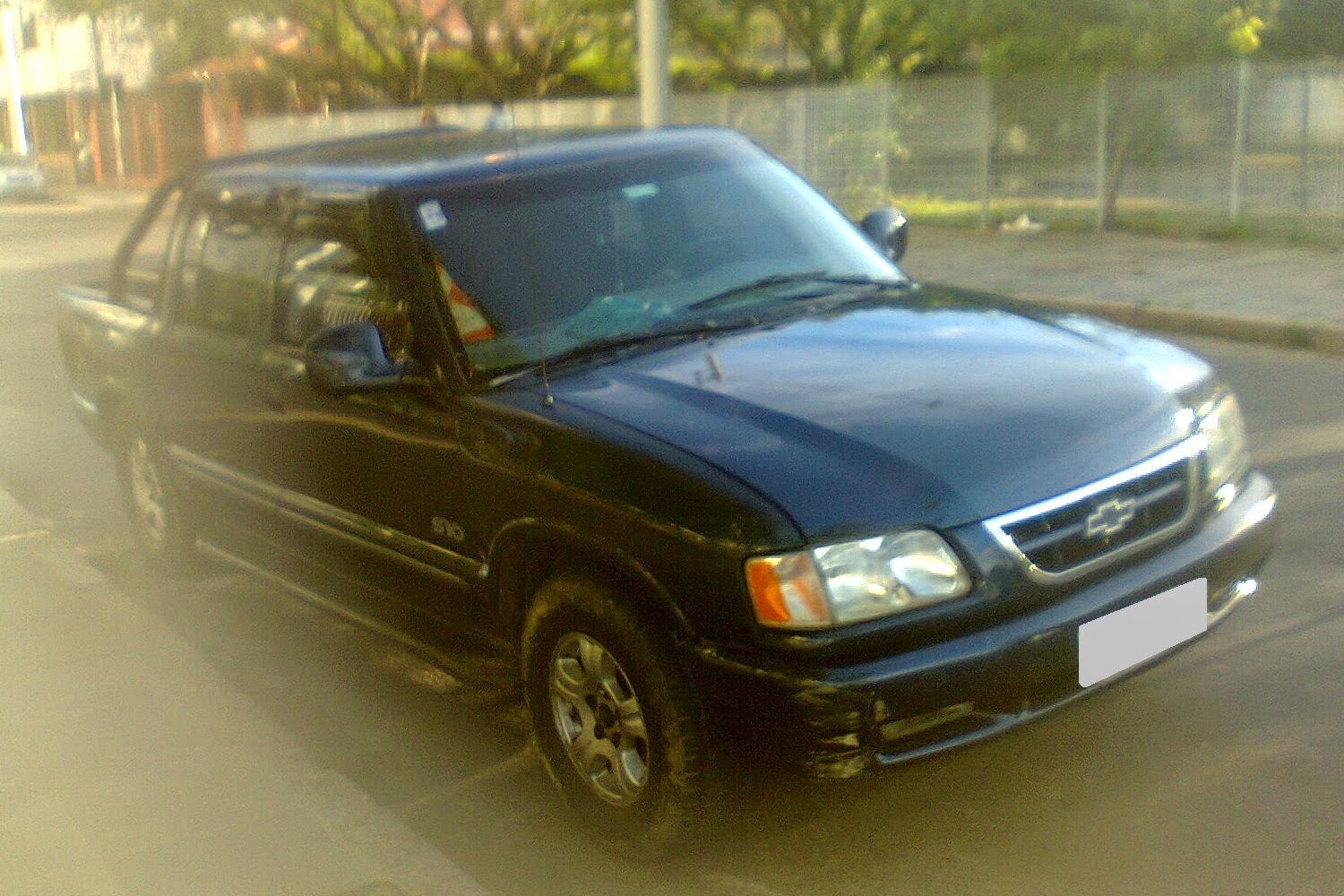
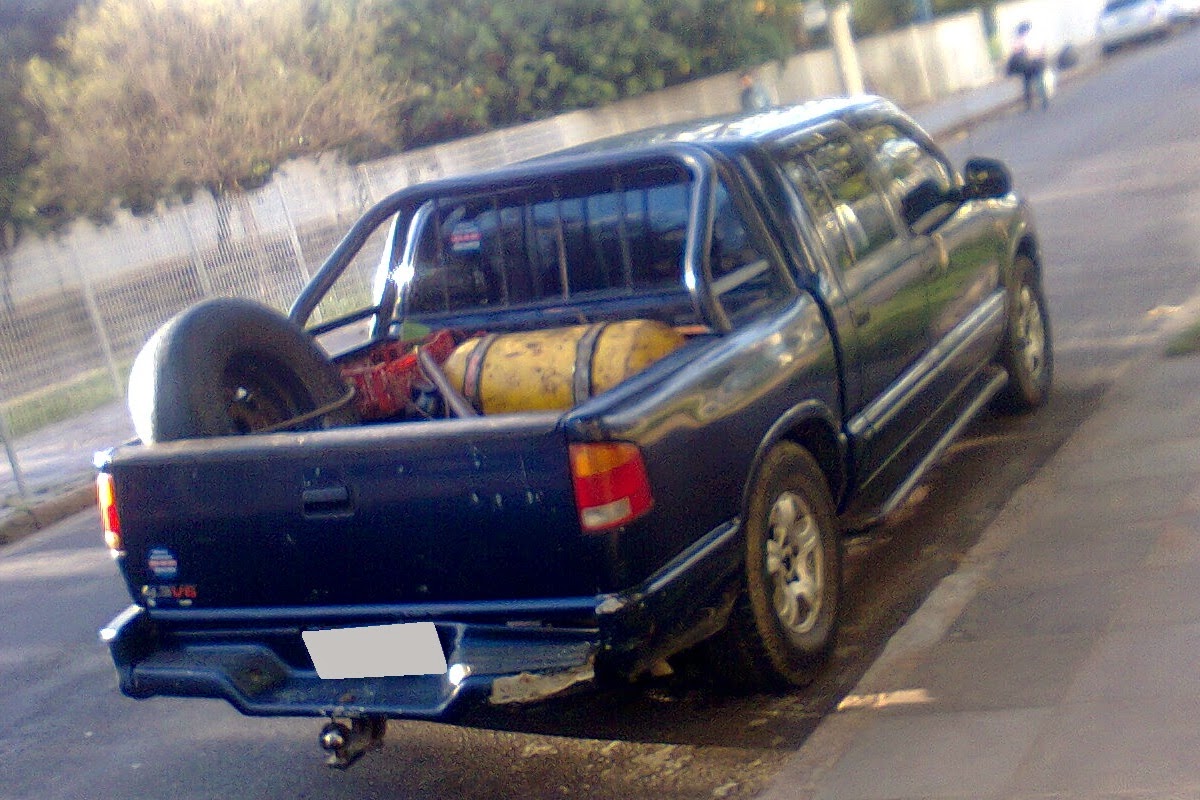
This other S10 has the 4.3L V6 engine, and the CNG tank is visible at the pick-up box. Couldn't see any underbody tank, but since the spare tyre had been relocated to the box it may have released some space to fit other tanks, which would be kinda useful considering the thirst of the V6...

Another V6, this time a single-cab. Also fitted with a single box-mounted tank, but since it didn't have clearance issues with the wheel wells a bigger tank could be fitted...

The Dodge Dakota is considered a lemon in Brazil, because its local production run had been too short ('99-'01) and, in spite of running on the American 4WD chassis and suspension setup due to the harsher pavement conditions, it was only available in 2WD. It was also kinda expensive when new, and all of its gasoline-powered engines were imported. The 4-cyl 2.5L and the 3.9L V6 were made in the USA while the 5.2L V8 came from Venezuela. The only Brazilian-made engine was the Diesel-powered one, a VM Motori R425 OHV license-made by Detoilet Detroit Diesel which had some overheating issues and was more expensive to overhaul than the Diesel engines used in its opponents, leading a handful of owners to repower them with engines from other similarly-sized trucks such as the MWM Sprint 4.07 TCA used in the S10 from '99 to '05 and the Toyota 3L and 5L-E from the Hilux. Many of the surviving gasoline-powered ones had been converted to CNG, such as this one with extended cab and the V6 engine.

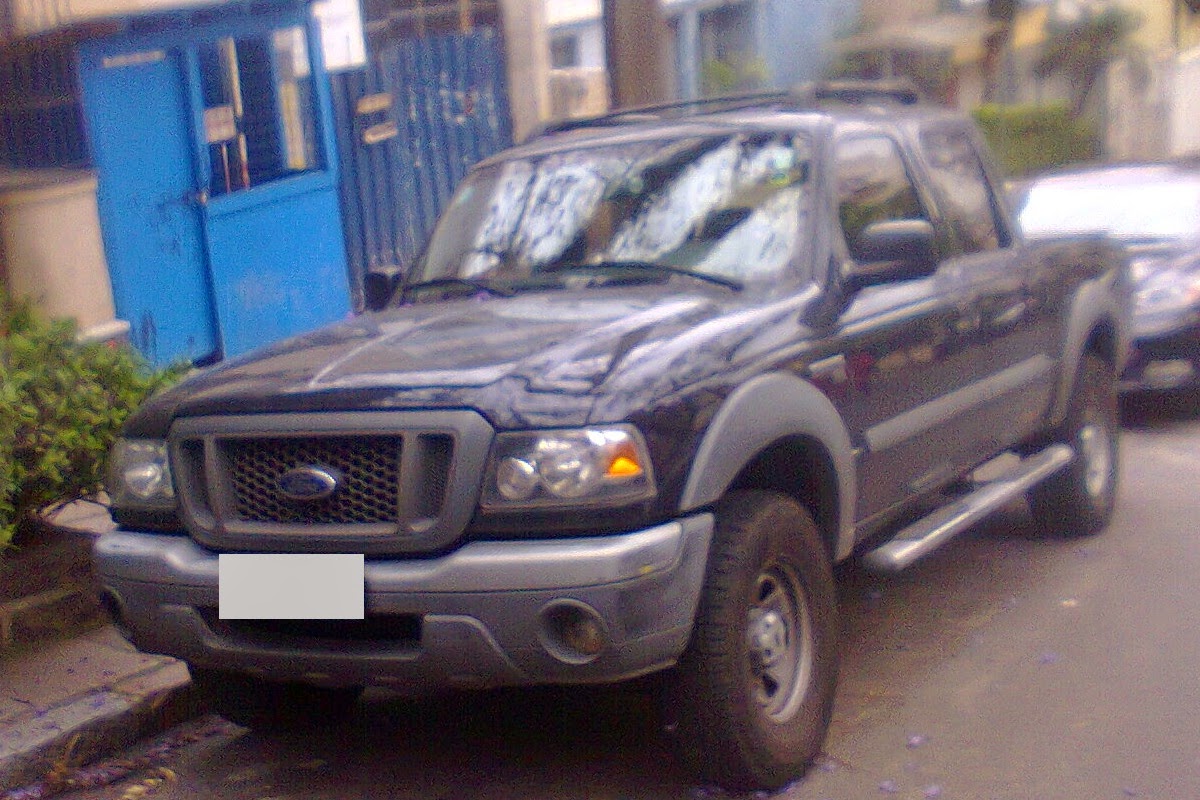
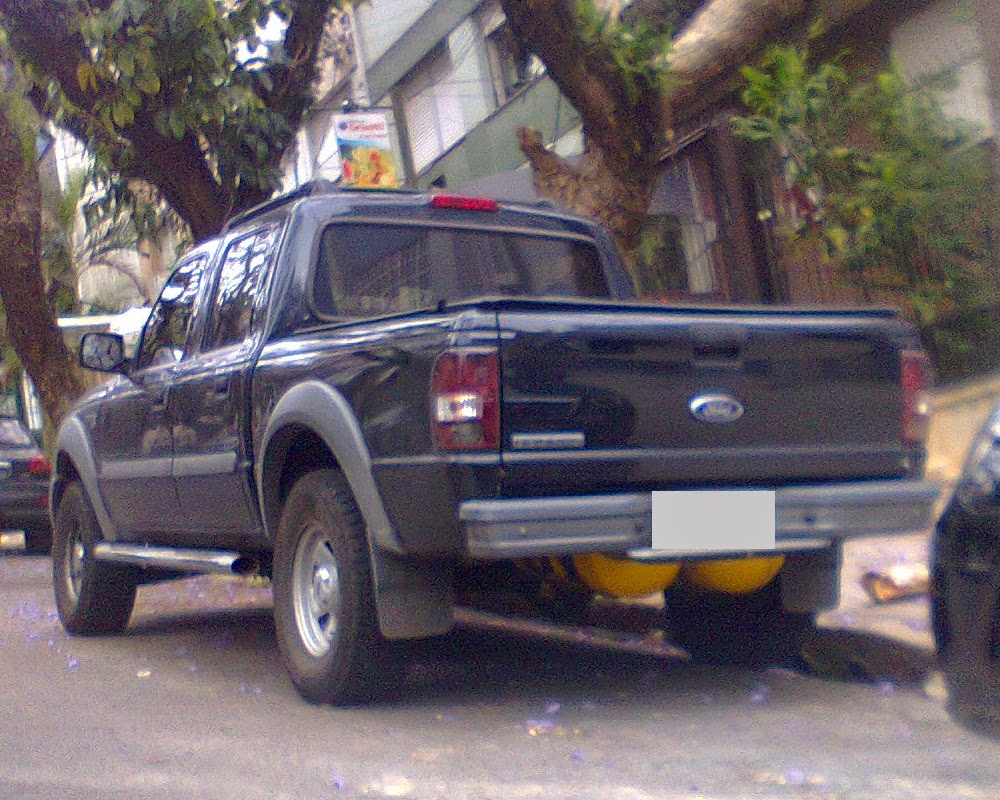
This double-cab Ranger was available only in South American RHD markets (except French Guyana where a rebadged Euro-spec Mazda B-Series was sold as the Ranger) and Mexico, because the Ranger made in Argentina is available there since late '97. Ford even offered a CNG-prep package for the 2.3L 4-cyl engine in Brazil from '06 to '12, and a bi-fuel CNG installation was a factory option for the ones fitted with the 4.0L V6 engine in Venezuela from June '09 to early '12. There is a conversion shop certified by Ford to perform the service in Brazil, but the certified conversions had the CNG tank mounted in the pick-up box, while this one had a non-certified conversion with underbody tanks in the stock spare tyre location. At least the spare tyre takes less useful space in the box than a CNG tank would...

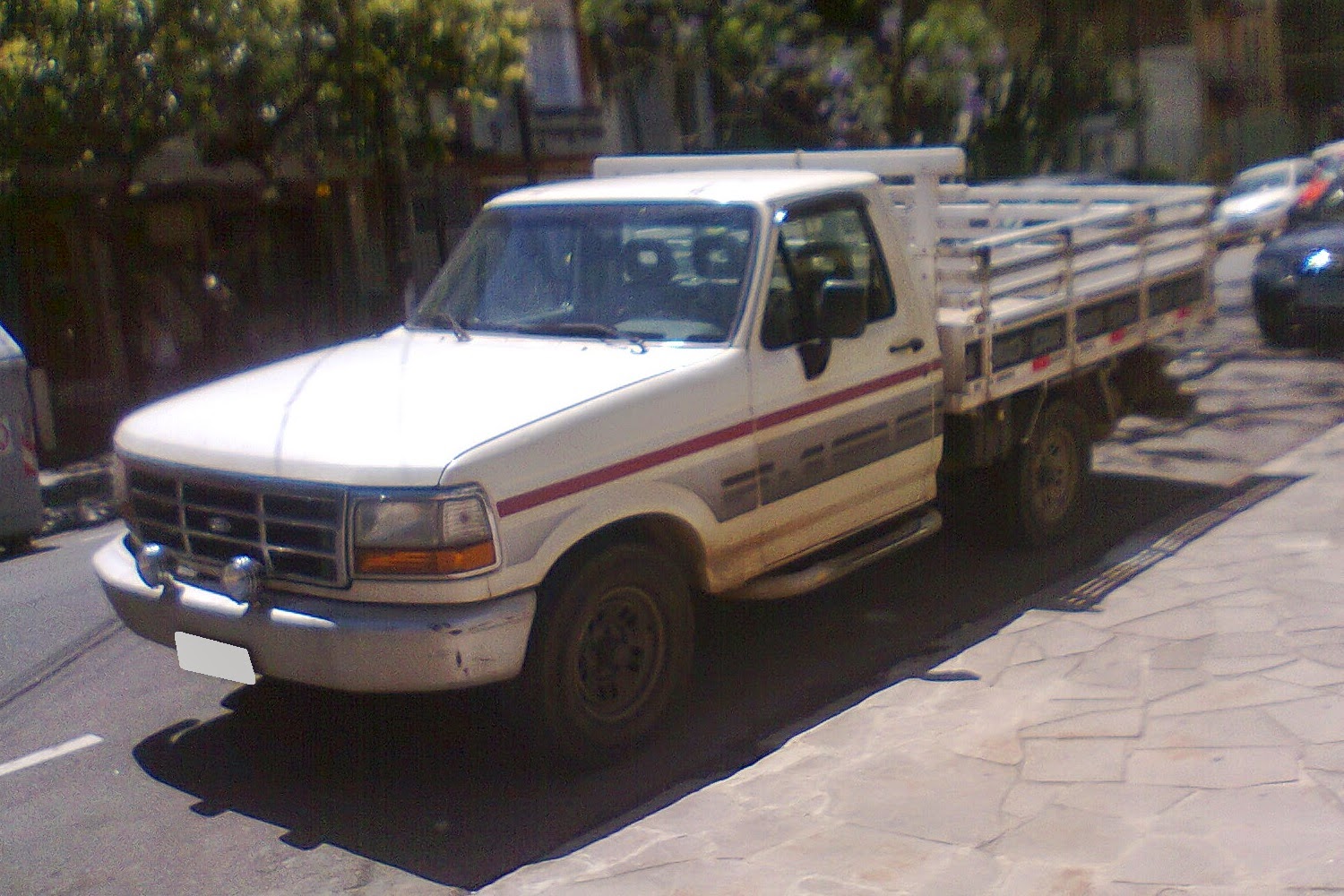
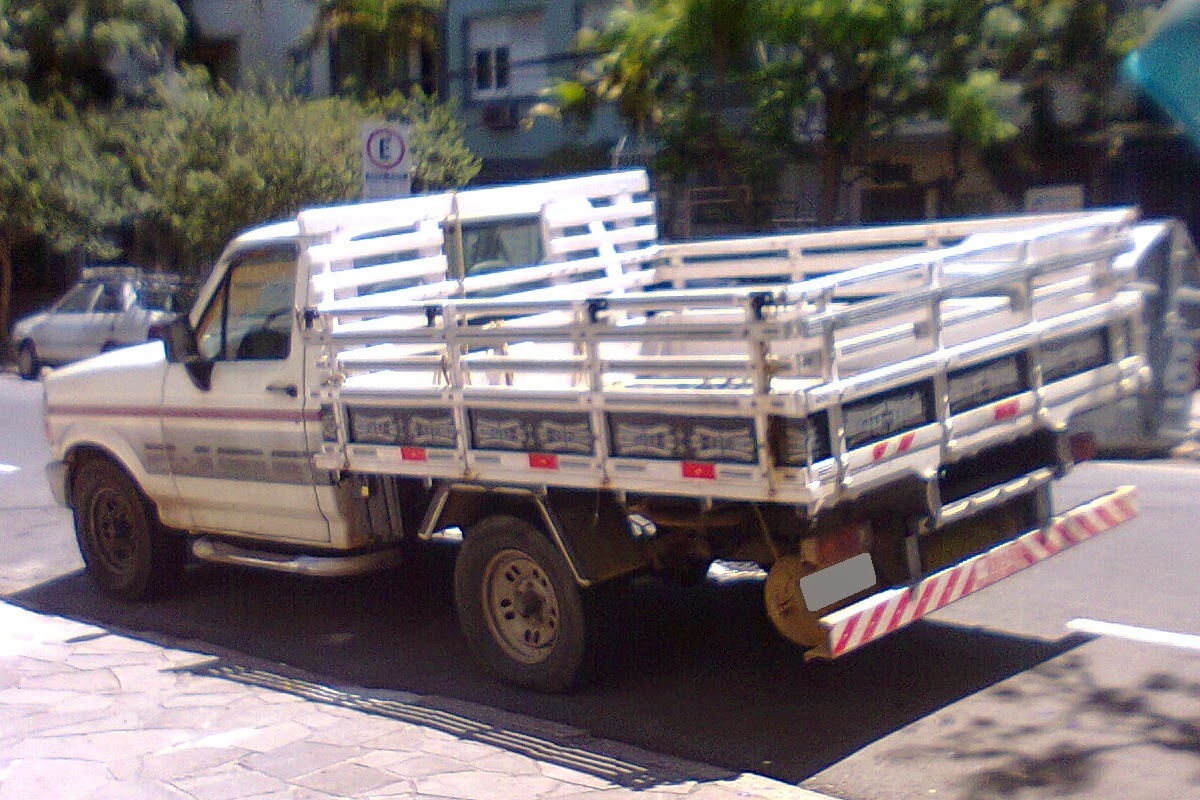
In spite of the side graphics suggesting that it could be an F-100, it's a Brazilian equivalent to the American F-250 and was known locally as F-1000. The last zero on the graphics would appear in the stock sheetmetal pick-up box if it wasn't converted to a wooden one. Engine is the gasoline-powered 300cu.in. inline-6, backed by a 5-speed manual transmission. This one was fitted with a single CNG tank mounted under the box, still visible from the sides or from the rear bumper gaps.