Sunday, April 03, 2022

'89 Ford Pampa with a crew-cab conversion

One of the most popular Brazilian coupé-utilities of its time, the Ford Pampa was made from '82 to '97, based on the same underpinnings of the Corcel and Del Rey which were local variants of a project from a joint-venture between Renault and Willys-Overland. As the Brazilian branch of Willys-Overland had been taken over by Ford in '67, so was the project which resulted in the Corcel for the Brazilian market.
Though a double-cab was never a factory option, there were some aftermarket conversions done either by specialized companies or smaller businesses, with different degrees of craftsmanship involved, and once in a while some distinctive feature. This one is just 2WD, but in order to clear the footwell for the passengers of the rear bench seat it had the fuel tank relocated to the rear overhang, where an auxiliary fuel tank would be featured in the 4WD versions which soldiered on from '84 to '95.

Friday, March 25, 2022

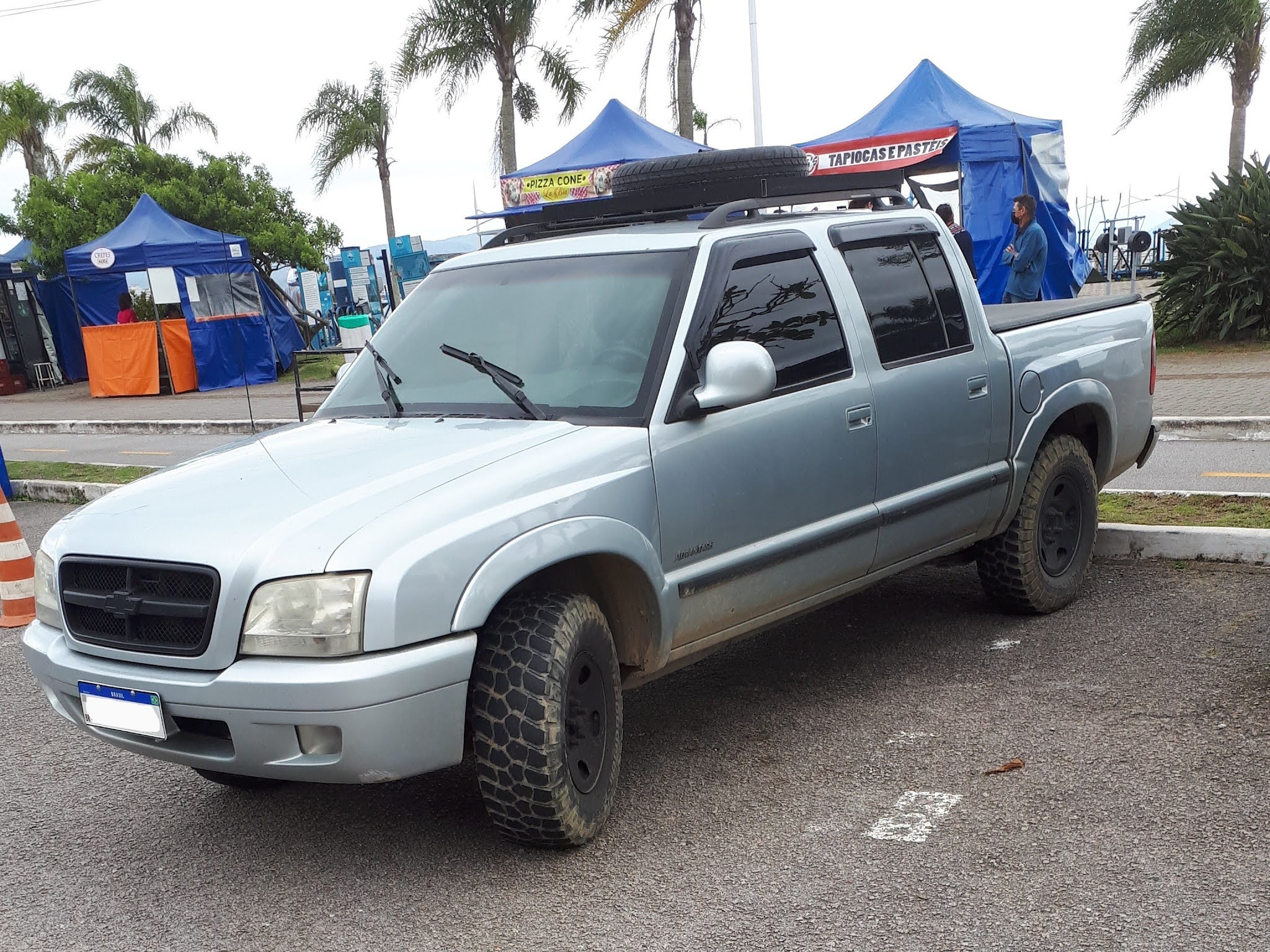
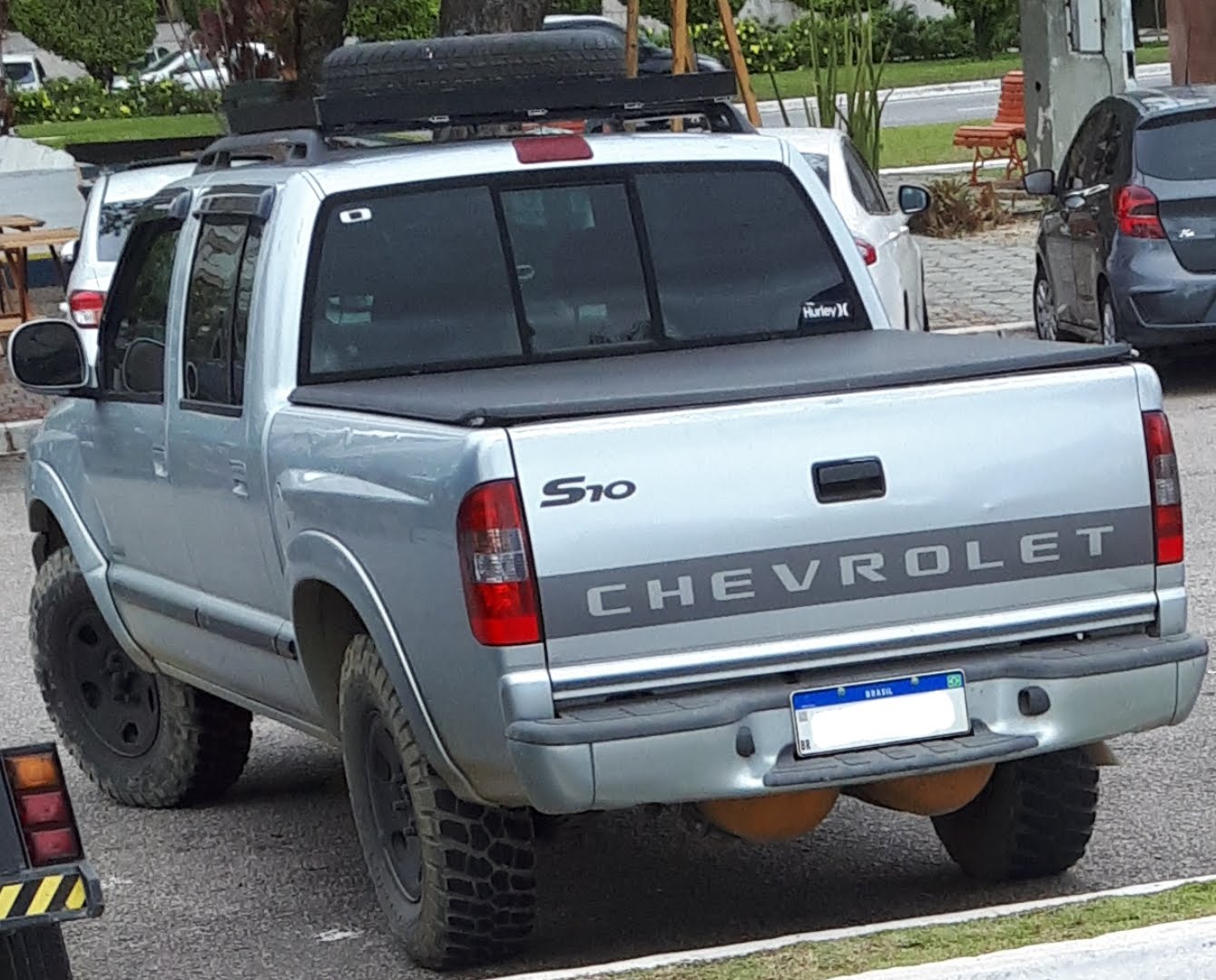
Brazilian Chevrolet S10 with underbody CNG kit and roof-mounted spare wheel

Compressed Natural Gas is the most common gaseous fuel for street-legal motor vehicles in Brazil, and Liquid Petroleum Gas is actually outlawed for such use, and for some it's easier to retain the stock cargo space fitting the CNG cylinders under the body. This is quite usual for body-on-frame trucks such as the Chevrolet S10, with the cylinders installed where the spare wheel is originally located, yet only smaller ones would fit there. Usually the CNG cylinders are placed transversely, yet once in a while I see some with them mounted longitudinally. Such position would be more favorable for a vehicle with a longer wheelbase where the cylinders could be saddle-mounted in parallel with the frame rails, which wouldn't be much rocket-science considering how the stock fuel tank is positioned in parallel to the driver's side frame rail.

Saturday, March 05, 2022

3 reasons why it could make sense to use a copy of the Suzuki F10A engine in some versions of the Opel Corsa B

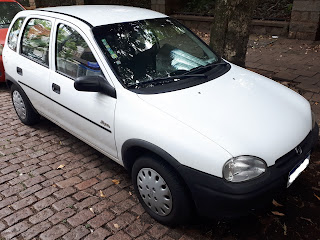
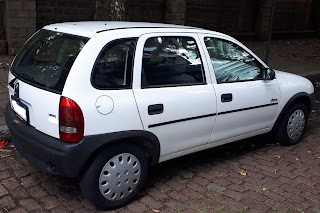
One of the most iconic cars of the '90s, the Opel Corsa B was available with at least one variation of the Family 1 engine on each market where it was sold, even in Brazil where the 1.0L was offered before its European counterpart offered a 3-cylinder engine within that very same displacement. So it was quite predictable even the version assembled in China from CKD kits from '93 to '96 rebadged as Jilin Jiangbei Meilu JJ7090 would retain some other Family 1 engine with a larger displacement, in that case the 1.2L which had been the base engine in Europe until the '97 model-year. It actually does intrigue me some random Chinese copy of the Suzuki F10A engine had not been fitted to the Chinese-assembled units. At least 3 factors could be favorable to the Suzuki F10A engine copies:

1 - easy availability: many Chinese factories still make copies of the Suzuki F10A engine, which used to be widespread in the early days of entry-level car manufacturing in China and retain a foothold in the light-duty commercial vehicle market;

2 - torque output not much worse than the Brazilian 1.0L engine: even when Chinese copies of the Suzuki F10A engine resorted to carburettors, the torque rating was roughly the same as the Brazilian 1.0L engine which resorted to a single-point electronic fuel injection at the same time;

3 - ease to overcome the more stringent rules enforced against the Guandong-based CKD assembly operations: with such an essential component being sourced inside China, qualifying for a lower taxation would remain possible for a longer time.

Wednesday, February 16, 2022

Custom-built trail rig resembling a somewhat oversized flatfender Jeep

Looking interesting to say the least, this custom-built model is clearly oversized in comparison to stock Jeep "flatfender" models, from which it takes styling cues. Built around what seems to be the frame of a first-generation Toyota Fortuner, known in Brazil as Hilux SW4 or more recently just SW4, features the 3.0L 1KD-FTV turbodiesel engine, with full-time 4-wheel drive and automatic transmission. Fitted with an independent front suspension and a solid rear axle with a Panhard rod, being coil-sprung all around is likely to provide a much smoother ride than the old-school rides with leaf-springs and solid axles on both ends.

Wednesday, February 09, 2022

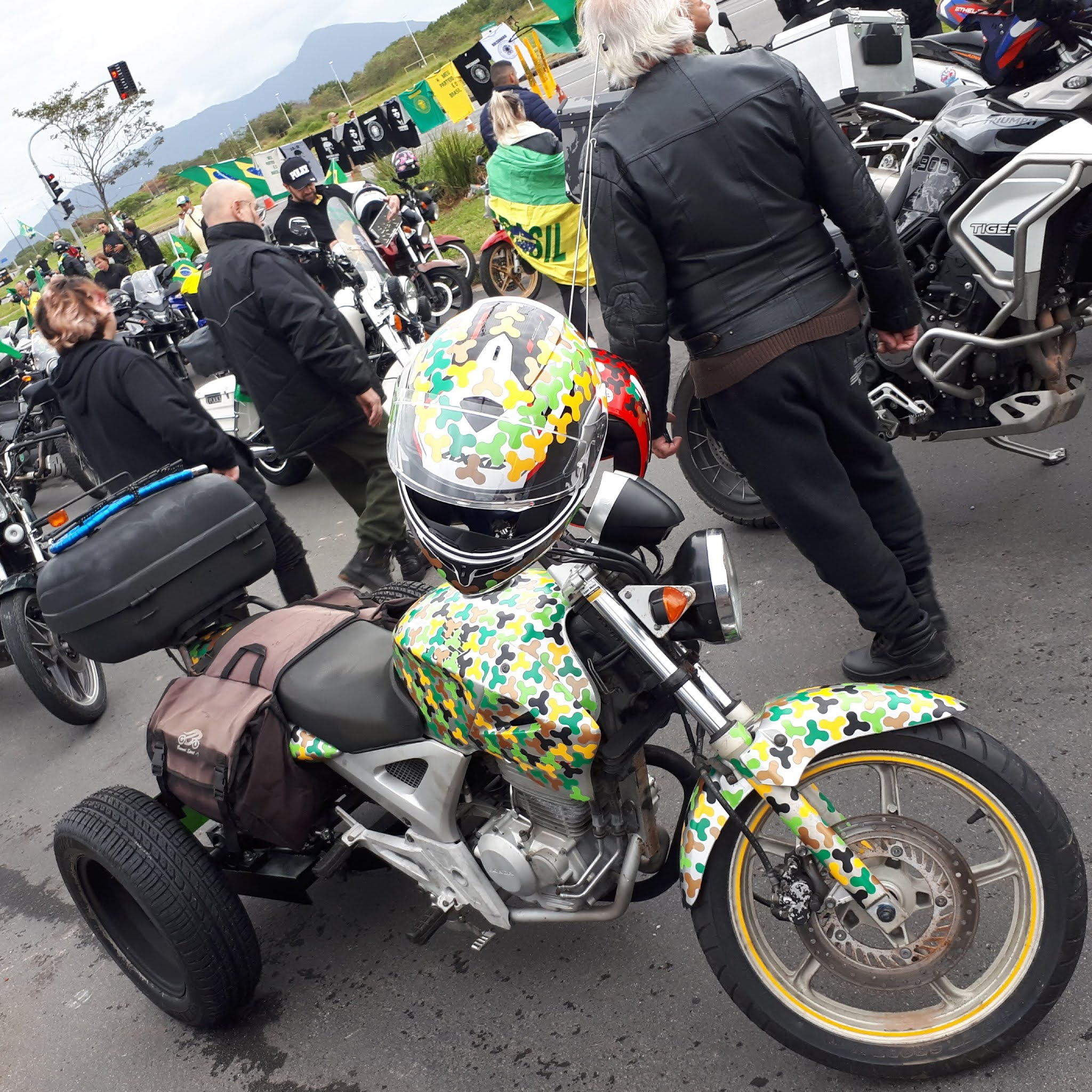
Honda CBF 250/CBX 250 Twister converted into tricycle for a disabled rider

The lower running cost of a motorcycle is attractive to many people, even some who may not actually be phisically able to ride one without some adaptations, such as the tricycle conversion fitted to this Brazilian Honda CBX 250 Twister also known in some export markets as CBF 250. The attachment of a rear subframe, replacing the stock swingarm, doesn't seem to be so much sophisticated, which means it's quite cost-effective, despite the conversion from a rod-operated rear drum brake for a hydraulic disc acting on both rear wheels. Even though it became slightly wider than the original motorcycle, the rear track remained narrow enough for the lack of a differential not be so detrimental to the handling.

Sunday, January 16, 2022

Yamaha XTZ 150 Crosser and the front drum brake

One kinda controversial aspect when it comes to small-displacement motorcycles, the availability of a front drum brake in some models used to be even more relevant in countries such as Brazil until a few years ago. Even when Yamaha released the XTZ 150 Crosser in 2014 as an eventual replacement to the XTZ 125, there were versions still fitted with front drum brake until at least 2017, in contrast to a front disc brake which was a standard fitment to the XTZ 125, according to Yamaha because in some parts of Brazil there was a demand for all-around drum brakes. Even though on motorcycles a drum brake tends to be most often mechanically operated, while the discs usually resort to hydraulics just like car brakes, the case against drums goes from its perception as "archaic" to the impossibility to be paired to the ABS system, which is not the case on cars which still use rear drums because of the hydraulic operation, or even trucks and buses which rely on air brakes to which all-around drums are not a problem to integrate the ABS. Had hydraulic drums been mainstream on motorcycles, maybe front drum brakes wouldn't be phased out entirely, even though the thermal conductibility of brake fluid eventually overheating and lead to a brake fading which is quite troublesome.

Thursday, January 06, 2022

5 cars which had been made in Spain and could've been well suited to a Mercedes-Benz OM636 engine

A rather crude engine, developed around the sidevalve gasoline-powered Mercedes-Benz M136 engine introduced in 1935, the OM636 was released in 1948 and introduced to some Mercedes-Benz vehicles in the following year, being fitted to a Mercedes-Benz car for the last time in 1958. Having soldiered on until 1976 on commercial vehicles, the Mercedes-Benz OM636 was phased out only in 1990, as it had a demand for other applications which included boats and agricultural machinery such as small combine harvesters. Even though some of its features such as the 3-bearing crankshaft, precombustion-chamber indirect injection and a gear-driven OHV valvetrain could already seem outdated in the late-'50s when Mercedes-Benz started switching over to chain-driven OHC valvetrains, the conservative mindset of a considerable amount of Diesel-engined car buyers leading both indirect injection and natural aspiration to keep some foothold until the Euro-3 emission standards could be favorable to an old-school engine like the OM636 for a longer time, even for cars and light-duty utility vehicles. As this engine had also been made in Spain under license, and fitted there mostly to vans and taxis, there are other vehicles that could eventually have been well suited to also resort to it, highlighting 5 among those:
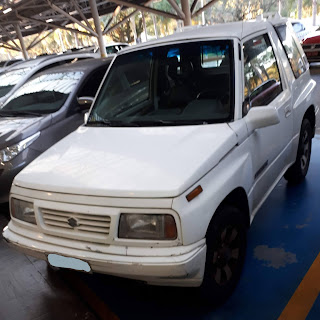
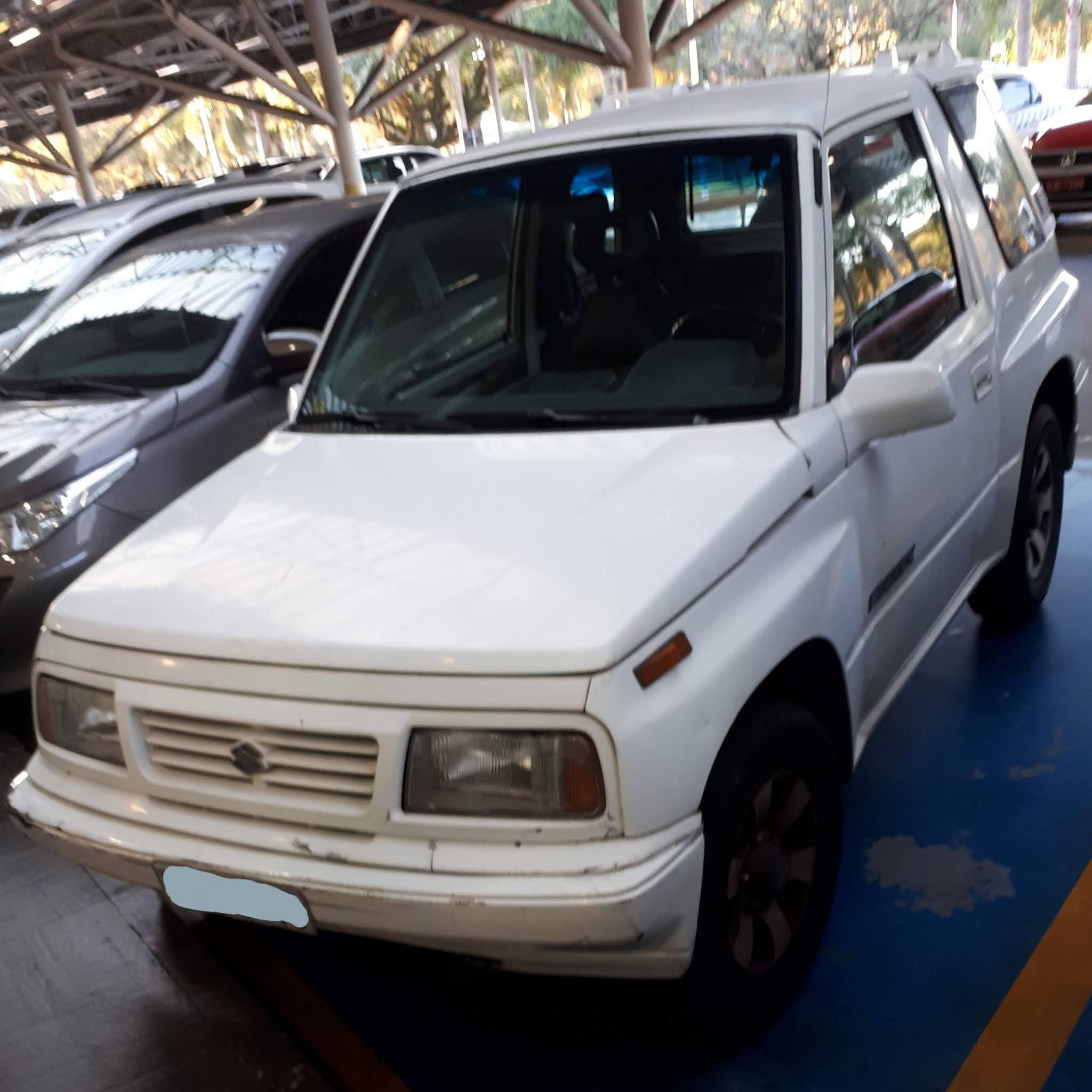
1 - Suzuki Vitara: having also been made under license in Spain, where the local preference for Diesel engines into 4WD vehicles favored the fitment of Peugeot XUD9 and later DW10 engines, odd enough a more austere engine could still have its appeal among operators who were more focused on utility and ease of maintenance. Not having a timing belt to replace would be still regarded a desirable feature;

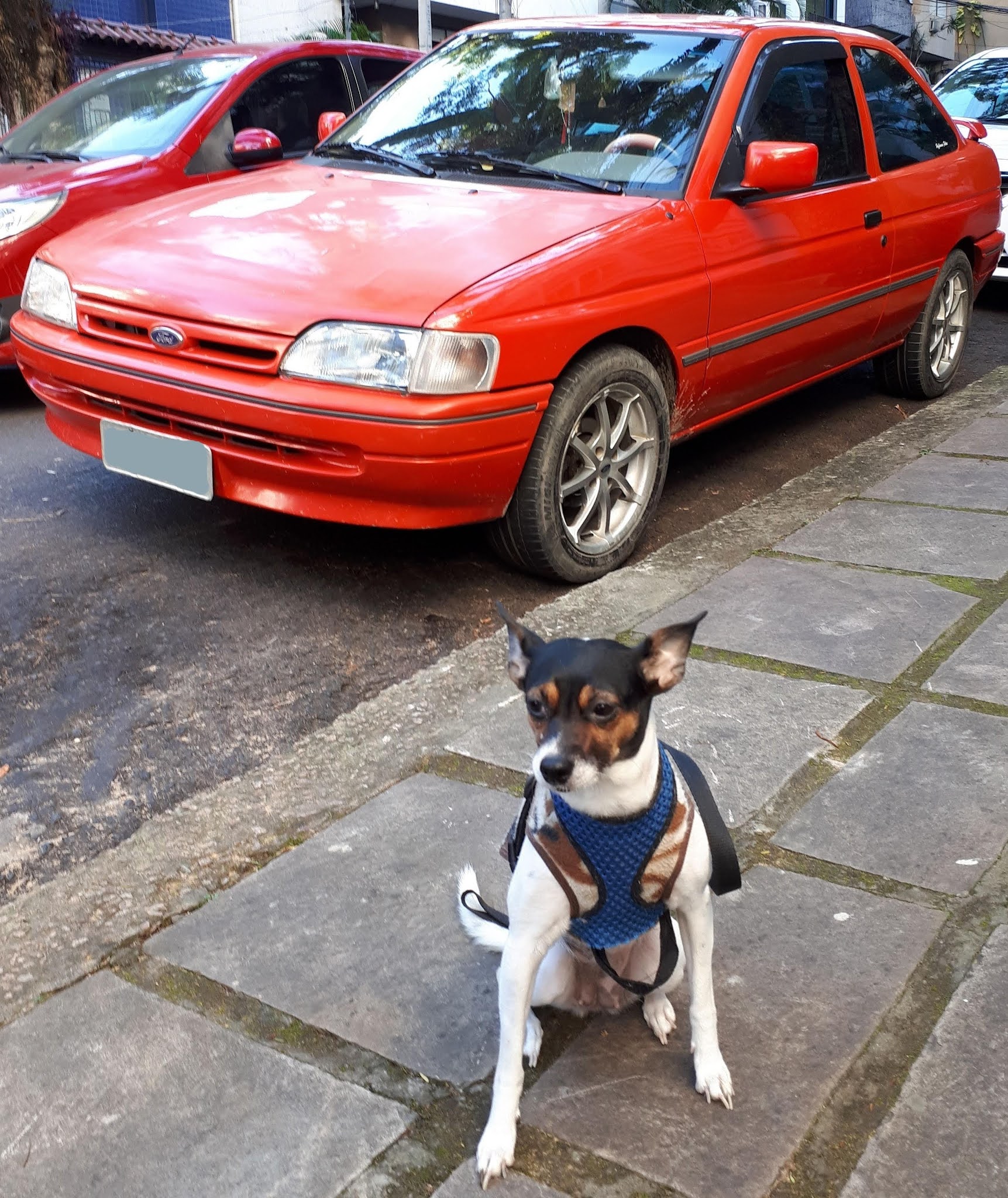
2 - Ford Escort Mk.5: even though Ford's own Endura-D engine within a similar displacement range had been available in some markets on both naturally-aspirated and turbocharged trims, and actually its power and torque ratings were slightly more appealing, the Endura-D it's undeniably a maintenance nightmare due to the timing arrangement. Having the injection pump driven by a crankshaft-driven belt or duplex chain according to the version, with the overhead camshaft driven from the injection pump through another belt, it adds a considerable amount of complexity which becomes quite annoying for a conservative operator. As the 1.8L Endura-D was itself developed from the 1.6L Dagenham/LT engine designed with some input from German Diesel engines specialist Deutz, and Ford has also resorted to assistence from other automakers such as the former PSA (now Stellantis) for light-duty Diesel engines, outsourcing from either Mercedes-Benz España or the former licensee ENMASA could be suitable to address the preference for a simpler, more reliable engine. Not to mention Ford resorted to Volkswagen engines for an overwhelming majority among regional variants of the Escort Mk.5 made in Brazil and Argentina, yet none was Diesel-powered;

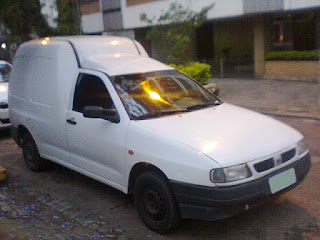
3 - SEAT Inca: before the Volkswagen takeover, SEAT had resorted to license-made Mercedes-Benz OM636 and OM621 engines for some of its Fiat derivatives, so there would've been some precedents to an eventual fitment of the OM636 to models developed already under Volkswagen ownership just like the Inca. On a sidenote, during Volkswagen's buyout of Auto Union from Daimler-Benz, a part of the deal was the access to development of what would become the EA827 engines range which originated the indirect-injection 1.9D and the direct-injection 1.9SDI engines fitted to the SEAT Inca;

4 - Peugeot 205: sure it would sound hard to justify outsourcing a Diesel engine when PSA had been highlighted for its own powerplants, such as the XUD7 which was offered as an option for the Peugeot 205 either naturally-aspirated or turbocharged. As the XUD7 was also part of a modular engines range which embraced both spark-ignition and Diesel options, presumably the economics of scale would mean any other approach unlikely. On the other hand, basically the fitment of Simca Poissy engines to some Spanish-made versions of the 205 could suggest otherwise, as it was made at the former Barreiros Diesel factory in Madrid;

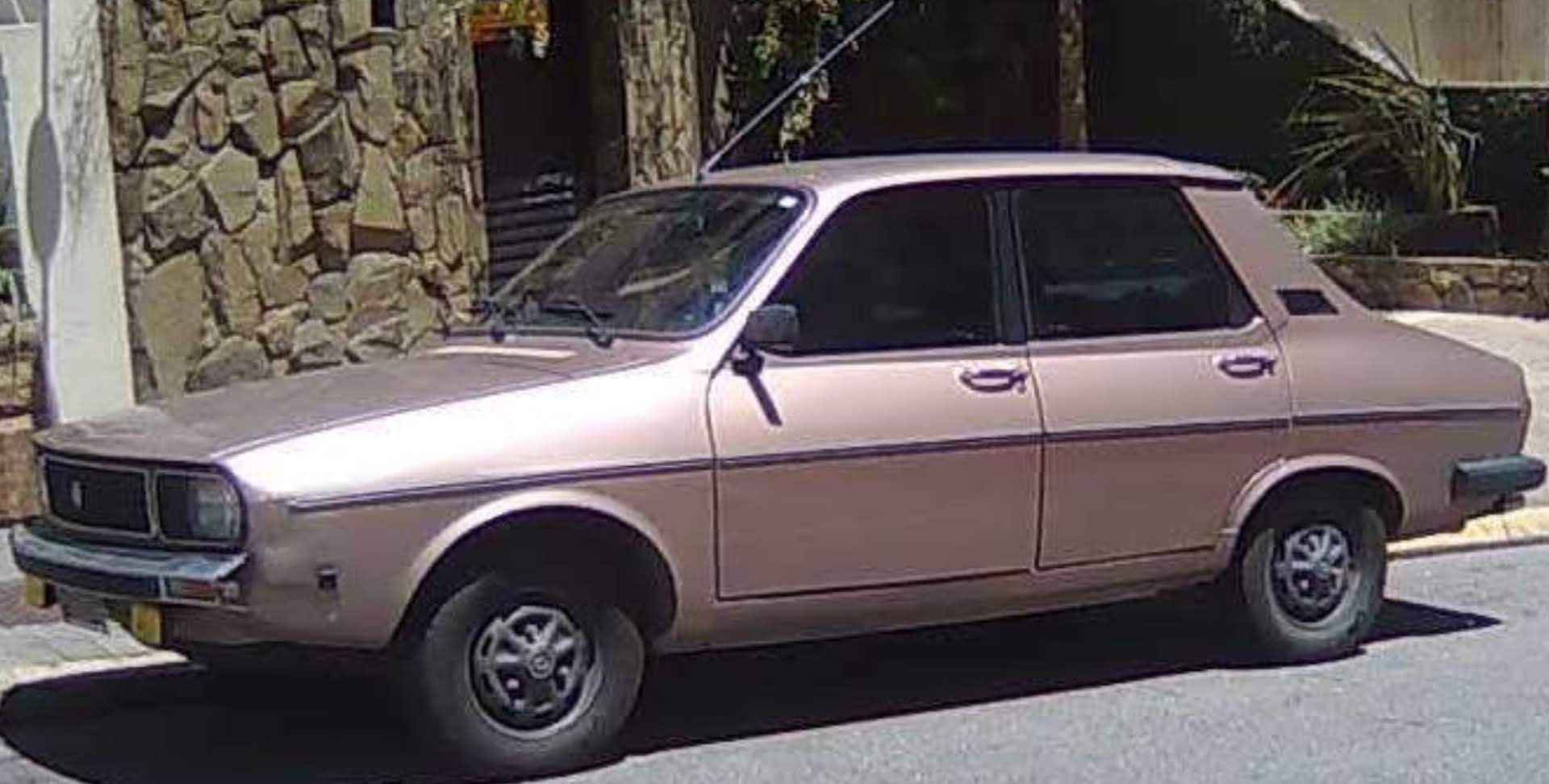
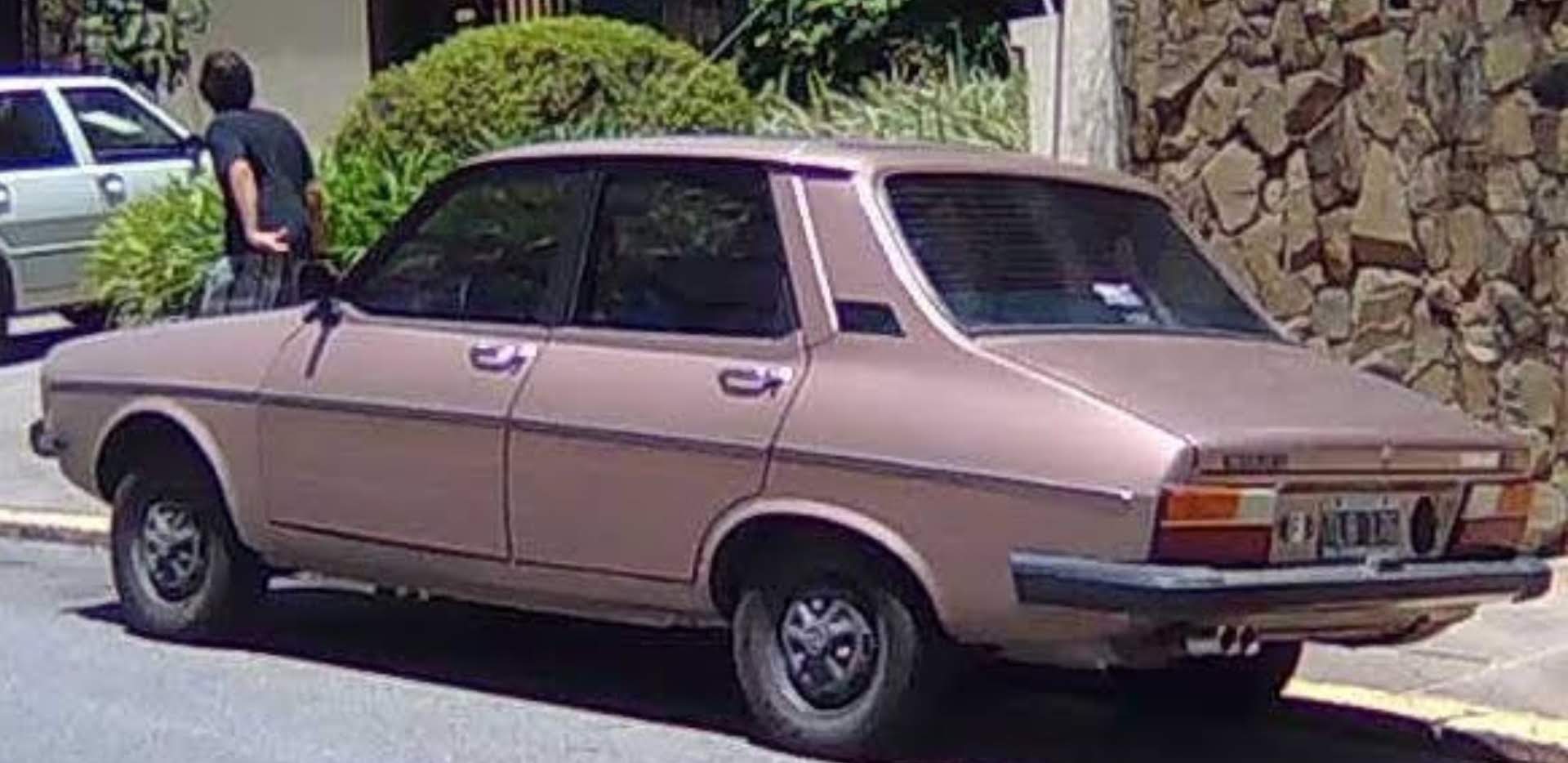
5 - Renault 12: its Spanish variants were made under license by the former FASA-Renault, only with gasoline-powered 1.4L Renault Cléon-Fonte engines. The absence of any Diesel variant of the Renault 12 or its derivatives elsewhere could've justified the outsourcing.

Sunday, December 26, 2021

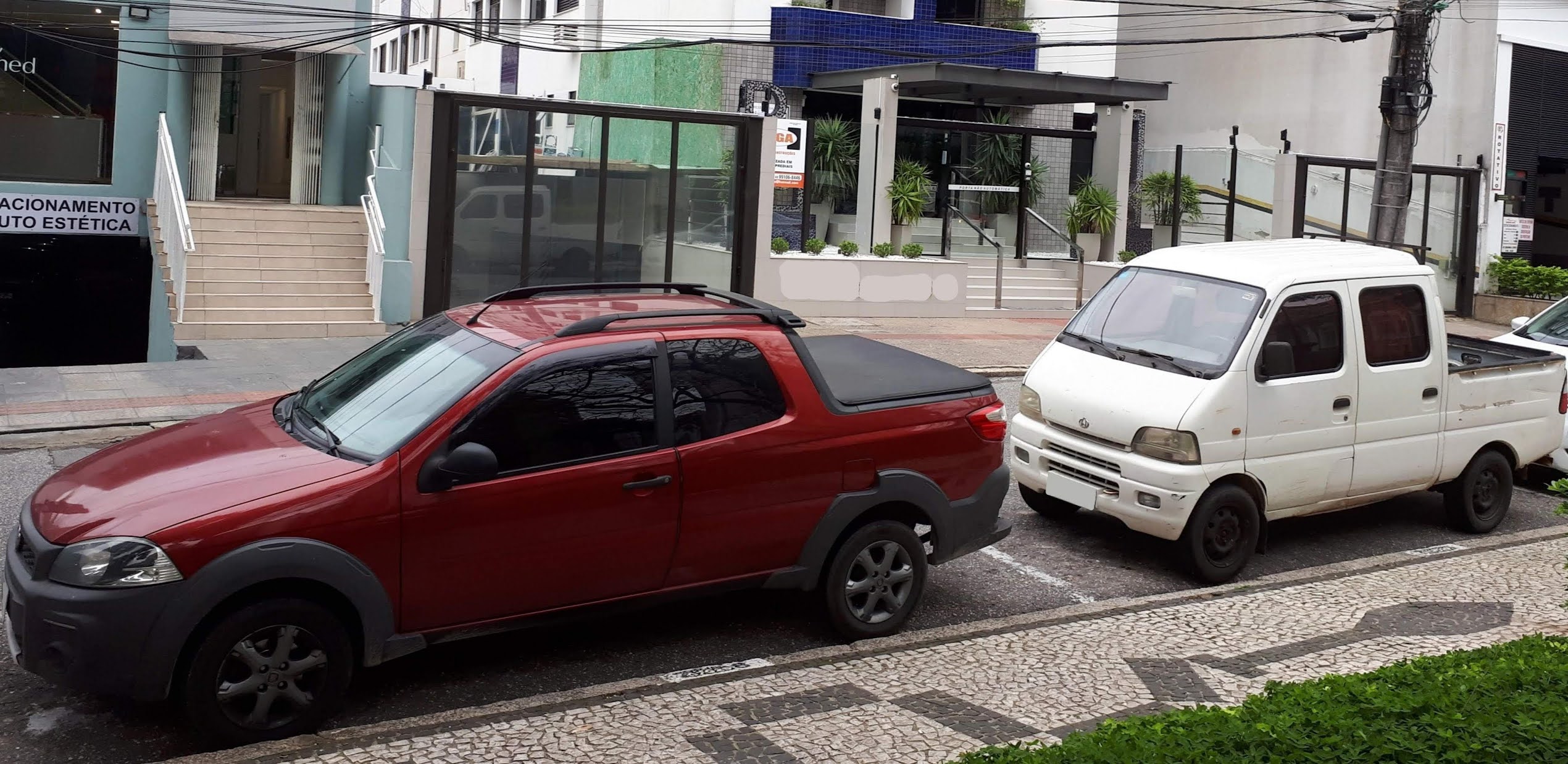
Brazilian vs. Chinese: what's the best approach to the small bakkie?

Small bakkies are a popular option for those who are looking out for a commercial vehicle with a lower total cost of ownership in countries such as Brazil, where traditional automakers with a strong foothold such as Fiat (now a Stellantis division) have a consolidated presence in this segment. Even though there has been a competition from Chinese automakers since 2007, when copies of the Suzuki Carry made by Changan were the first official imports of vehicles made in China to Brazil, the conservative profile of most Brazilian car buyers meant these ended up having a smaller appeal and strictly among commercial operators who were more concerned about the lower purchase price than anything else. The availability of replacement parts is often neglected by importers of those Chinese bakkies for instance, leading their owners into resorting to adaptations with components of some more mainstream model, yet a live-axle rear-wheel drive layout and body-on-frame design already lends itself better to some makeshift fixes.
In favour of the car-based designs more sought after in Brazil, which despite being mostly based upon a front-wheel drive unibody such as the Fiat Strada end up resembling an Australian coupé-utility, there is usually a better overall performance due to the fitment of engines better suited to deal with the GVWR, in contrast to the often underpowered copies of some random outdated Japanese engine and extremely low gearing often found on those Chinese copies of the Suzuki Carry. While the unibody doesn't render a Brazilian coupé-utility so easy to replace the stock rear tray for a task-specific bodywork compared to a body-on-frame, and the front-wheel drive is more affected by changes to the weight bias when loaded, the Fiat Strada often leads the commercial vehicle sales ranking in Brazil, not only among urban buyers who might prefer a smoothier ride but also for agribusiness-related duties. In the end, while commercial operators may become attracted to the cheap Chinese Suzuki copy at a first glance, the Brazilian coupé-utility is more cost-effective.

Tuesday, December 21, 2021

Spotted on the wild: dedicated-ethanol Brazilian Chevrolet Monza

Just like the American Chevrolet Cavalier, the Brazilian Chevrolet Monza was a regional variant of the J-body platform, even though its styling and much of its technical features bore a greater resemblance to the Opel Ascona C, most noticeably the belt-driven SOHC Opel-designed Family II engine available from 1.6L up to 2.0L according to the model-year. As the Brazilian market in the '80s favored ethanol as a motor fuel, naturally the Monza also featured engines capable to operate on it, even though they were not flexfuel, still resorting to a carburettor due to local content regulations which prevented electronic fuel injection from becoming mainstream. Even though it's quite uncertain if this '90 Chevrolet Monza SL/E with the 2.0L engine still runs on ethanol as the ÁLCOOL badge implies, since it became usual to convert older dedicated-ethanol cars to gasoline after the ethanol crisis between '89 and '90 when even methanol from the United States had been imported as a somewhat desperate attempt to keep much of the Brazilian fleet running, seeing a car of that period still featuring a sign that it had been originally ethanol-powered before the flexfuel systems became mainstream is quite interesting.

Saturday, December 18, 2021

5 cars other than air-cooled Volkswagens or Porsches that could be interesting to adapt an Australian Radial Motion engine

Even though the air-cooled flat-4 engine is highlighted as one of the most noticeable features of the VW Beetle, the recent development of a 3-cylinder airworthy radial engine by Bespoke Engineering catering to the light sports aviation market in Australia had also been noticeable for its perfect fit into Beetles or other Volkswagens with the Type 1 engine (which has the cooling fan mounted at a higher position than the one of a Type 3 "pancake" engine) and even into some Porsches. Available on either air-cooled or liquid-cooled versions, from 2.0L to 2.1L and the option for carburettors or electronic fuel injection, the Radial Motion engine can cover both classic cars and modern vehicles keeping up-to-date with current emission regulations in Australia and some other countries with similar emission standards for motor vehicles. Even though a radial engine may be as much of a challenge to fit into vehicles with transverse engine layout, leading it better suited to the ones with a longitudinal engine, at least 5 vehicles other than air-cooled Volkswagens or Porsches could be mentioned as temptint to try a Radial Motion engine swap had cost not been an issue, as these engines are far from dirt-cheap...

1 - Ford Ranger (Americas model until 2011): as some trims of the Radial Motion engine outperform the 2.3L Duratec 4-cyl which was the base-engine for this model, even though it has a slightly smaller displacement and a pushrod valvetrain, it already sounds interesting enough to justify. The lower weight is also interesting, considering the gasoline-powered versions had a lower payload than the turbodiesel versions made in Argentina, so the weight bias would be improved while unloaded without detrimental effects while loaded;

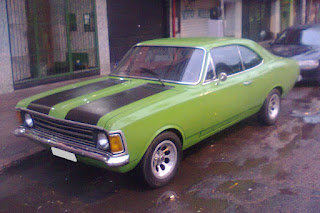
2 - Chevrolet Opala: the Brazilian equivalent to the Opel Rekord C/Commodore A, was fitted with the 2.5L Chevrolet 153 engine (later 151) on its 4-cylinder versions, while the 6-cylinder had either a 3.8L 230 or a 4.1L 250 engine according to the model-year. Even though it's smaller than any engine fitted to the Opala and the 6-cylinder Opel CIH engines fitted to the Commodore, there are some versions of the Radial Motion capable of outperforming them all in stock form. Liquid-cooling might sound as a quite obvious way to go, but I must confess it would also be quite tempting to try an air-cooled;

3 - early Suzuki Grand Vitara: even the 2.5L H25A V6 can be outperformed by some versions of the Radial Motion engine, let alone the much more usual 4-cylinder 2.0L J20. A lower-weight and shorter engine such as the Radial Motion may also actually benefit off-road performance;

4 - Lada Niva: engine swaps are quite common for this model in my country, with Volkswagen EA827 engines being the most common option. As the Radial Motion is offered with a Volkswagen bolt pattern it might be another straightforward adaptation too;

5 - Alfa Romeo Giulia GTV: an Italian beauty which stock engine is a piece of mechanical artwork, but it would still be tempting to go one step further. Well, considering the carburettor-fed versions of the Radial Motion might at first seem more complicated due to having one more carburettor, it's also worth to remind it won't require any timing chain replacement as the Alfa Romeo "Nord" Twin Cam engine would, the Alfa Romeo had dual-barrel carburettors which are far from dumbproof. It's also interesting to compare the electronic fuel injections of the Radial Motion to the SPICA mechanical fuel injection which used to be fitted to US-spec Alfa Romeo models.